

Reality Between Vitrified and Porcelain Tiles in Rajsamand: Understanding the Market Difference
Loading designs...
-
 20933-L
 -
 20933-HL2
 -
20933-HL1
-
20933-D
-
20932-HL2
-
20932-HL1
-
20932-L
-
20931-HL-2
-
20931-HL-1
-
20931-L
-
20930-L
-
20930-HL-2
-
20930-HL-1
-
20930-D
-
20929-HL-2
-
20929-HL-1
-
20929-L
-
20928-L
-
20928-HL-2
-
20928-HL-1










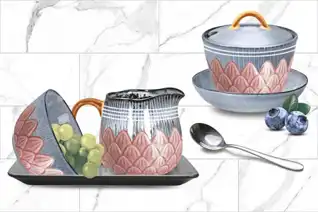
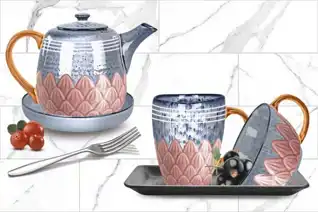


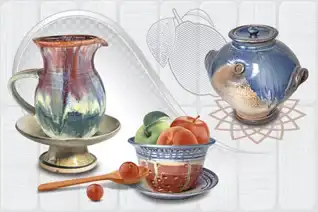

In Rajsamand, porcelain and vitrified tiles are frequently used interchangeably in conversation, yet they possess distinct technical differences. Globally, porcelain is the dominant term, while in India, particularly from the Morbi manufacturing hub, terminology can vary due to marketing strategies and performance characteristics. Understanding these distinctions is vital for homeowners and commercial developers in Rajsamand to make informed choices for their apartments, villas, and industrial projects, ensuring tiles withstand the local climate and usage demands.
Global Terminology vs Indian Market Terminology
The distinction between porcelain and vitrified tiles often causes confusion, especially when comparing global standards with the terminology used in the Indian market. Rajsamand, like many Indian cities, experiences this dual nomenclature, which impacts buyer perception and product selection.
How the World Defines Porcelain
Internationally, the tile industry predominantly uses the term porcelain tile, with "vitrified" rarely appearing in global markets. Tiles are categorized based on stringent technical performance standards, most notably their water absorption rates. This universal classification simplifies purchasing for international projects, unlike the varied terms sometimes found in Rajsamand's local markets.
- Globally: Porcelain tiles must exhibit water absorption below 0.5%.
- Density, firing temperature, and compact internal structure are the primary factors defining their classification.
- Vitrification is understood as an integral part of the manufacturing process, not a separate retail category.
In essence, worldwide standards classify all low-absorption tiles as porcelain; there is no distinct marketing category specifically termed "vitrified," which highlights a key difference from the Indian market approach.
How India (Especially Morbi) Uses These Terms
In India, terminology has evolved differently, particularly in Morbi, Gujarat, which accounts for nearly 95% of India’s tile production. Here, both terms are strategically employed depending on product positioning and marketing to consumers in cities like Rajsamand.
- In the Indian market: Porcelain tiles often have a water absorption rate between 2%–5%.
- Vitrified tiles, conversely, typically boast water absorption between 0.5%–0.05%.
- Dealers frequently use "vitrified" to signify higher density and superior performance, a key selling point in Rajsamand's competitive market.
- Manufacturers might label products differently for domestic sales versus export markets, adding another layer of complexity.
This dual terminology undeniably creates confusion for buyers in cities like Rajsamand, making it essential to look beyond the label and understand the underlying technical specifications, which is vital for new construction projects and renovations.
Water Absorption: The Real Technical Benchmark
The percentage of water absorption is unequivocally the most critical technical parameter for distinguishing tile performance and durability. This metric directly correlates with a tile's density, strength, and resistance to environmental factors, which is especially important in Rajsamand's varied climate conditions.
Porcelain (Common Indian Market Context)
In the common Indian market context, what is often referred to as porcelain tile exhibits specific characteristics that influence its suitability for various applications in Rajsamand, including residential builder floors and commercial shops.
- Water absorption: Typically ranges from 2%–5%, indicating moderate porosity.
- Moderately dense: Offers decent strength for general applications.
- Suitable for indoor residential spaces: Performs well in bedrooms and light-use living rooms.
- Often available in matte finishes: Provides a non-slip surface, which is practical for many Rajsamand homes.
- Cost-effective option: Generally more budget-friendly than vitrified alternatives.
These tiles perform adequately for bedrooms, light-use living rooms, and kitchens in Rajsamand homes, offering a practical balance of cost and functionality. Many homeowners consider explore tile designs online for these options.
Vitrified Tiles
Vitrified tiles, known for their superior technical specifications, are highly regarded for their enhanced performance and durability, making them a preferred choice for demanding applications in Rajsamand's residential and commercial sectors, including high-traffic public places like local markets.
- Water absorption: Significantly lower, between 0.5%–0.05%, indicating extremely low porosity.
- Extremely dense and compact: Provides exceptional hardness and strength.
- Highly resistant to stains and moisture: Ideal for kitchens, bathrooms, and outdoor areas in Rajsamand.
- Available in wide finishes: Includes polished glossy, matte, and high gloss, offering diverse aesthetic choices.
- Stronger under heavy loads: Withstands more weight and impact, crucial for commercial and industrial areas.
The lower water absorption of vitrified tiles means fewer pores, which directly translates to improved durability, superior stain resistance, and greater structural strength. This makes them a reliable, long-term investment for properties across Rajsamand.
Why Water Absorption Matters
Understanding the implications of water absorption is key to making an informed tile selection. This technical benchmark directly affects a tile's performance and longevity in various environments, from residential apartments to commercial showrooms in Rajsamand. Lower absorption is critical for outdoor tiles due to the city's climate.
- Lower absorption = higher density: Denser tiles are more robust and less susceptible to damage.
- Higher density = better strength: Enhanced structural integrity for enduring heavy use.
- Better strength = longer lifespan: Ensures that tiles maintain their appearance and functionality for many years, a desirable trait for any investment in Rajsamand.
For buyers in Rajsamand, instead of simply relying on the label, requesting specific water absorption specifications provides genuine clarity on a tile's true performance capabilities, ensuring a lasting and appropriate choice.
Size-Based Market Reality in Rajsamand
In Rajsamand, the size of a tile frequently dictates whether it falls into the porcelain or vitrified category, reflecting manufacturing limitations, cost-effectiveness, and market demand for various applications, from small bathrooms to expansive living rooms and commercial spaces. This size-based differentiation helps consumers understand their options.
400x400 & 500x500 Tiles
These smaller format tiles are predominantly produced as porcelain, a common and budget-friendly choice in Rajsamand. They cater to specific market needs and project types that prioritize cost-effectiveness and ease of installation in smaller areas.
- Mostly produced as porcelain: Reflects manufacturing efficiencies for these sizes.
- Water absorption is typically 2–5%: Suitable for indoor residential spaces with moderate moisture exposure.
- Budget-friendly category: Makes them accessible for rental properties and projects with tighter financial constraints in Rajsamand.
- Suitable for bedrooms and rental properties: Offers practical and durable flooring solutions.
- Limited vitrified production in these sizes: Manufacturers rarely produce vitrified tiles in these smaller formats due to pricing sensitivity and demand patterns in the Rajsamand market.
600x600 Tiles
The 600x600 mm size is highly versatile and widely popular in Rajsamand, available in both porcelain and vitrified variants. This makes it a central point of confusion for buyers, as performance can differ significantly based on the type. Many homeowners look for 600x600 tile designs for their homes.
- Available in both porcelain and vitrified: Offers a broad range of choices for various applications.
- Matte surface is commonly porcelain: Provides good grip, often used in less demanding areas.
- Polished Glossy and double-charged often vitrified: Preferred for higher durability and aesthetic appeal in Rajsamand homes.
- Most popular size in Rajsamand homes: Balances aesthetic appeal with practical installation.
This size category generates the most confusion in the market because both porcelain and vitrified options coexist, making it crucial for buyers in Rajsamand to inquire about water absorption rates to ensure they select the right tile for their needs.
600x1200 and Larger Formats
Larger format tiles, including 600x1200 mm and even bigger slabs, are a staple in the premium segment in Rajsamand. These sizes demand higher structural integrity, which aligns perfectly with vitrified production standards, ensuring durability and a seamless aesthetic in expansive spaces.
- Polished Glossy, High Glossy, Full Colour Body tiles are primarily available in Vitrified Body: Offers superior finish and robustness.
- For Matte and Carving Matte surface available in both vitrified and Porcelain: Provides diverse aesthetic and functional choices.
- Lower water absorption: Ensures enhanced durability and resistance to moisture.
- Premium segment: Caters to luxury homes, commercial spaces, and showrooms in Rajsamand, including public places like high-end hotels.
Large formats require superior structural integrity, which aligns with vitrified production standards, making them the preferred choice for architects and developers in Rajsamand looking for a sophisticated and long-lasting finish.
Performance, Strength & Practical Usage in Rajsamand
The ultimate decision between porcelain and vitrified tiles in Rajsamand hinges on their performance, strength, and practical suitability for specific applications. Factors like traffic, moisture exposure, and aesthetic preferences all play a role in determining the ideal choice for residential or commercial properties in the city.
Residential Usage
For standard homes in Rajsamand, the choice between porcelain and vitrified tiles depends on the specific area and expected traffic. Balancing cost with durability is often a key consideration for local homeowners, especially with the city's varied climate conditions.
- Bedrooms → Porcelain is sufficient: Offers adequate durability for low-traffic areas.
- Kitchens → Porcelain or vitrified: Depending on traffic and spill frequency.
- Living rooms → Prefer vitrified: For better durability against moderate to heavy footfall.
- Bathroom floors → Low absorption recommended: Crucial for wet areas to prevent water damage in Rajsamand.
- Outdoor → Vitrified: Essential for resisting weather elements, particularly the sun and occasional rain in Rajsamand.
Porcelain tiles generally offer adequate performance for moderate residential traffic, providing a cost-effective solution for many homeowners in Rajsamand.
Commercial & Heavy Traffic Usage
For commercial spaces, shops, offices, clinics, and parking areas in Rajsamand, the demands on flooring are significantly higher. Here, the superior properties of vitrified tiles make them the unequivocally recommended choice for long-term performance and durability.
- Vitrified tiles are strongly recommended: Essential for handling high footfall and heavy loads in commercial environments.
- Better load-bearing capacity: Prevents cracking and damage from heavy equipment or furniture.
- Higher scratch resistance: Maintains an aesthetic appearance despite constant wear.
- Improved long-term durability: Ensures a lasting investment for businesses in Rajsamand, minimizing maintenance costs.
Commercial spaces in Rajsamand benefit immensely from the lower water absorption of vitrified tiles, ensuring a robust and long-lasting flooring solution that can withstand the rigors of daily business operations, including industrial areas.
Cost Consideration
Cost is a significant factor for any construction project in Rajsamand, influencing decisions for both residential and commercial properties. Understanding the price difference between porcelain and vitrified tiles helps in budget allocation and long-term planning.
- Porcelain is generally more budget-friendly: Offers a cost-effective solution for many applications.
- Vitrified tiles cost slightly more: Due to higher firing temperatures and increased density, reflecting their superior quality.
- Long-term durability often justifies vitrified investment in high-use areas: Proves more economical over time due to reduced replacement and maintenance costs in Rajsamand.
In rental or budget housing projects in Rajsamand, porcelain remains a popular choice due to its affordability, while vitrified tiles are preferred for premium constructions seeking lasting quality.
Why Terminology Confusion Continues
The ongoing confusion surrounding the terms "vitrified" and "porcelain" is deeply rooted in manufacturer-level distinctions and dealer-level marketing strategies within the Indian tile industry. This complexity often affects buyers in Rajsamand, making tile selection a challenging process.
Manufacturer-Level Differences
Morbi manufacturers, the heart of India's tile production, contribute significantly to this terminological divergence, catering to both domestic and international markets with distinct labeling practices. This results in varied product descriptions even for technically similar tiles.
- Morbi manufacturers: Often use porcelain terminology widely, especially for export.
- Label products differently for export: Adhering to international standards for overseas markets.
- Differentiate vitrified for domestic premium positioning: Marketing vitrified as a superior, higher-performance option in India, including for consumers in Rajsamand.
The strategic use of "vitrified" for domestic premium positioning reflects a concerted effort to differentiate products in the competitive Indian market, impacting consumer choices in Rajsamand.
Dealer-Level Marketing
Tile dealers in Rajsamand, acting as intermediaries, further perpetuate this confusion through their marketing approaches, often focusing on price and perceived quality rather than precise technical specifications. This can lead to inconsistencies in how tiles are presented to the end-consumer.
- Dealers may: Promote vitrified as premium, highlighting its enhanced durability and finish.
- Use porcelain to simplify the explanation: Making it easier for customers to grasp basic categories.
- Focus more on price than technical parameters: Prioritizing sales by emphasizing affordability or luxury.
The same tile can sometimes be labeled as "porcelain" in one showroom and "vitrified" in another in Rajsamand, underscoring the lack of standardized terminology at the retail level. This makes it challenging for customers to accurately compare products.
The Technical Truth
To cut through the market jargon, understanding the core technical truth is essential for discerning buyers in Rajsamand. This simplifies the decision-making process and ensures that purchases align with actual performance requirements.
- In simple terms: All vitrified tiles are technically porcelain because they undergo the vitrification process.
- Not all porcelain tiles meet vitrified-level low absorption: Highlighting the key performance differentiator.
- The differentiation in India is more marketing-driven than globally standardized: Emphasizing the divergence in terminology.
This clarifies that while vitrification is a process common to both, the term "vitrified" in India specifically refers to tiles with a much lower water absorption rate, implying superior performance for applications across Rajsamand.
Final Conclusion: What Rajsamand Buyers Should Really Ask
For buyers in Rajsamand, navigating the tile market successfully requires a shift in approach. Instead of merely asking for "porcelain" or "vitrified," a more precise question will yield clearer, more actionable information, ensuring a suitable choice for their specific needs, whether for a home, office, or industrial area.
Instead of asking:
“Is this porcelain or vitrified?” – This question often leads to ambiguous answers due to the prevailing market terminology and marketing strategies in Rajsamand, which can be misleading and unhelpful for making an informed decision.
Ask:
“What is the water absorption percentage?” – This single, technical question provides the most accurate and reliable information about a tile's quality and suitability. This is particularly crucial for outdoor tiles in Rajsamand, where weather resistance is paramount, and also for tile selection tool usage.
Because that single number determines:
- Strength: Higher density from lower absorption equates to greater structural integrity.
- Durability: Enhanced resistance to wear and tear, ensuring a longer lifespan.
- Stain resistance: Fewer pores mean less susceptibility to staining from spills.
- Suitable application: Guides placement in high-moisture or high-traffic areas.
- Long-term performance: A critical factor for any investment in Rajsamand, ensuring lasting quality.
For Rajsamand homes, porcelain works well for normal residential needs, offering a balance of aesthetics and cost. For high-traffic areas, commercial spaces, or long-term durability requirements, vitrified tiles are undoubtedly the better choice. Understanding the science behind the terminology empowers buyers in Rajsamand to make truly informed decisions, rather than relying purely on market labels or vague descriptions. This ensures the best value and longevity for their tile investment, which is vital in the local climate.
Vitrified vs Porcelain Tiles Showroom and Dealer in rajsamand
Royal White Marmo
Contact: +91 91666 60088
Abhinandan Electric & Ceramic Pvt Ltd
Contact: +91 94142 84850
VINAYAK TILES
Contact: +91 99505 20096
-9f831d48-b3bd-4701-a2a1-136f1cbd1251.jpg)