

Top Vitrified vs Porcelain Tiles in Rae Bareli - The Real Difference
Loading designs...
-
 20933-L
 -
 20933-HL2
 -
20933-HL1
-
20933-D
-
20932-HL2
-
20932-HL1
-
20932-L
-
20931-HL-2
-
20931-HL-1
-
20931-L
-
20930-L
-
20930-HL-2
-
20930-HL-1
-
20930-D
-
20929-HL-2
-
20929-HL-1
-
20929-L
-
20928-L
-
20928-HL-2
-
20928-HL-1
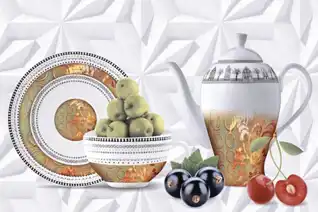
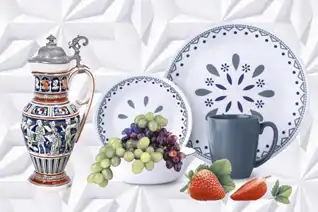


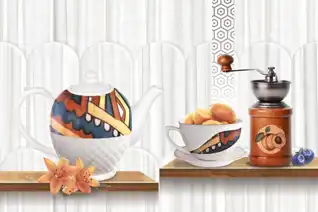


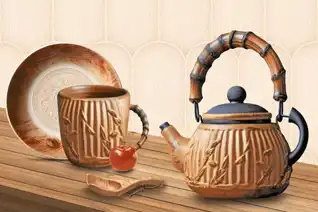
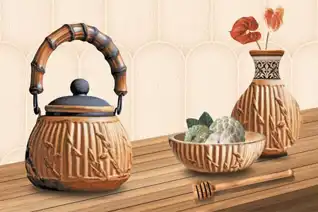
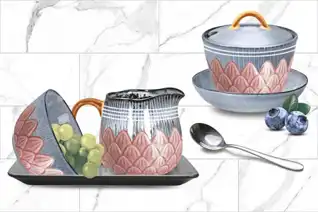
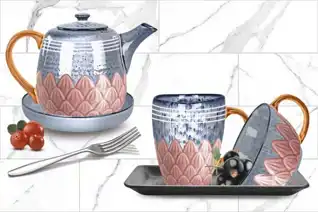
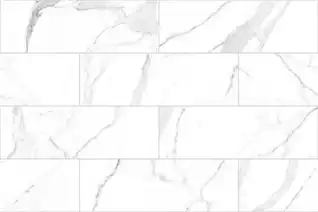
The question 'vitrified or porcelain' is often misunderstood in Rae Bareli's tile market due to terminology differences between India and the rest of the world. Globally, 'porcelain' technically refers to any tile with water absorption below 0.5%, with 'vitrified' being the firing process that achieves this. In India, and specifically in the Morbi manufacturing cluster supplying Rae Bareli, these terms evolved as distinct retail marketing categories with different performance levels. 'Vitrified' at most Rae Bareli dealers means a higher-density, lower-absorption category (typically below 0.5% water absorption), while 'porcelain' often refers to a medium-density category with 2 to 5% water absorption. The same product might be named differently. The technical benchmark to cut through this confusion is simple: ask for the water absorption percentage. Buyers in Rae Bareli also look at tile design ideas to find styles that work with this colour palette.
Global Terminology vs Indian Market Terminology
Understanding the distinction in terminology is crucial for Rae Bareli buyers to make informed decisions about tile selection.
How the World Defines Porcelain: Internationally, tiles with water absorption below 0.5% are classified as porcelain tiles. The 'vitrified' descriptor refers to the manufacturing process (firing at high temperature until the clay vitrifies into a glass-like dense structure) that achieves this low absorption. In global markets, there is no separate retail category called 'vitrified'; all low-absorption dense tiles are porcelain.
How India and Morbi Use These Terms: In India's domestic market, terminology evolved differently. Morbi manufacturers label two distinct product categories: Porcelain (typically 2 to 5% water absorption, medium density, used for standard residential bedrooms and light-use applications) and Vitrified (typically below 0.5% absorption, higher density, more expensive, used for living rooms, commercial floors, and premium applications). This domestic labelling convention, seen in Rae Bareli, is marketing-driven rather than technically standardised. Buyers in Rae Bareli also look at marble look tiles to find styles that work with this colour palette.
Water Absorption: The Real Technical Benchmark
For Rae Bareli buyers, water absorption percentage is the most reliable technical parameter for evaluating tile suitability, directly impacting performance and durability.
| Category (India Context) | Absorption | Density | Best Rae Bareli Use |
|---|---|---|---|
| Indian Market Porcelain | 2% to 5% | Medium density | Bedrooms, low-traffic indoor areas |
| Indian Market Vitrified | 0.5% or below | High density | Living rooms, kitchens, commercial floors |
| Full Body Vitrified | 0.05% or below | Very high density | Heavy commercial, parking, institutional use |
Lower absorption indicates higher density. Higher density means better strength, scratch resistance, stain resistance, and long-term durability. For Rae Bareli households, the simple rule is to ask for the water absorption percentage. Below 0.5% signifies vitrified-level performance, while 2 to 5% indicates porcelain-level in the Indian market context. matte finish tiles also have low absorption.
Size-Based Market Reality in Rae Bareli
Tile size often correlates with its technical classification and intended use in the Rae Bareli market.
400x400 mm and 500x500 mm Tiles: These are mostly produced as porcelain (Indian context) with water absorption typically 2 to 5%. They are budget-friendly and suitable for Rae Bareli bedrooms, rental properties, and light-use indoor floors. Vitrified production in these sizes is limited due to pricing sensitivity.
2x2 Tiles: Available in both porcelain and vitrified in Rae Bareli. Matte surface 2x2 tiles are commonly porcelain. Polished glossy and double-charge 2x2 tiles are typically vitrified. This size creates the most terminology confusion because both categories exist. For outdoor applications, buyers often consider outdoor tiles.
2x4 and Larger Formats: Polished glossy, high-gloss, and full-body colour tiles in 2x4 and above are consistently vitrified-level specification in Rae Bareli. Matte and carving matte in 2x4 may be either vitrified or porcelain depending on the manufacturer. Large formats requiring higher structural integrity tend towards vitrified standards. 2x4 tiles offer great coverage.
Performance and Practical Usage in Rae Bareli
Choosing between vitrified and porcelain (Indian context) depends on the specific demands of each area in a Rae Bareli property, considering both performance and cost.
Residential Use: For bedrooms and low-traffic spaces, Indian market porcelain tiles are sufficient and cost-effective. For kitchens and living rooms, vitrified specification is preferred for stain resistance and durability. Bathroom floors require a low water absorption specification for safety. For outdoor areas, vitrified or porcelain with near-zero absorption is best.
Commercial and Heavy-Traffic Use: For shops, offices, corridors, and parking in Rae Bareli, always specify vitrified-level (below 0.5% absorption). These offer better load-bearing capacity, scratch resistance, and long-term surface durability than Indian market porcelain, which is crucial for areas with heavy daily foot traffic. parking tiles need high durability.
What Rae Bareli Buyers Should Ask Instead of
Vitrified vs Porcelain Tiles Showroom and Dealer in rae-bareli
Krishna Enterprises Tiles & Granite
Kajaria Tiles Authorised Showroom - Khushbu Marbles
Contact: +91 +91 94150 34896
SAGAR TILES AND SANITARY
Contact: +91 +91 63891 09090
-9f831d48-b3bd-4701-a2a1-136f1cbd1251.jpg)