

Vitrified vs Porcelain Tiles in Pilibhit: Market Reality, Technical Difference and Buying Guide
Loading designs...
-
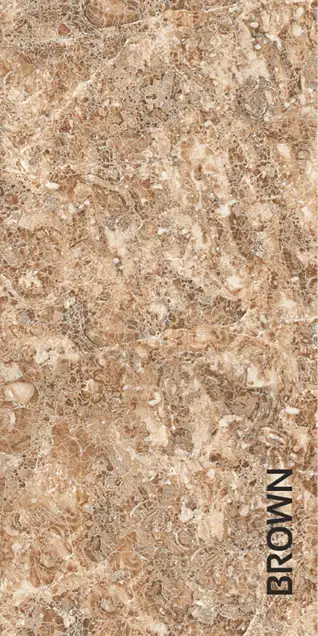 Classic Empredor Brown
 -
 6119
6119 -
Pantone Dalim Mint
-
10817-HL1
-
1120
-
17143
-
60120CL FLANT RECTENGULAR(END)
-
20825-L
-
20931-HL-2
-
Onyx Gold Wave
-
Navyat Dark
-
10823-HL1
-
1143
-
8004
-
Navona White
-
INDIGO MORROCCAN
-
20819-L
-
Patagonia Grey
-
Statuario Glanza
-
Anosa Natural






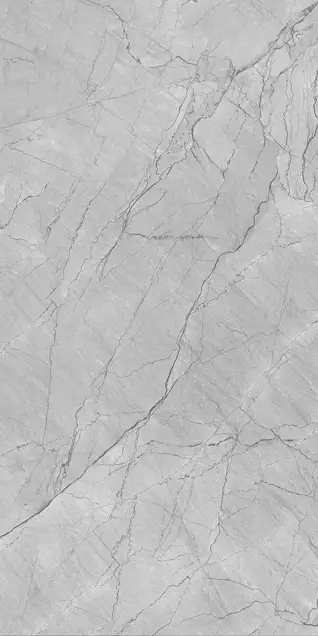
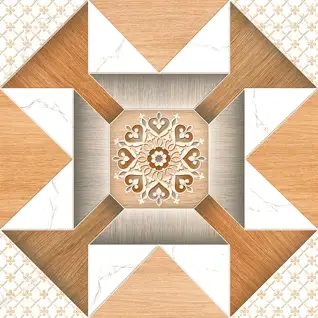




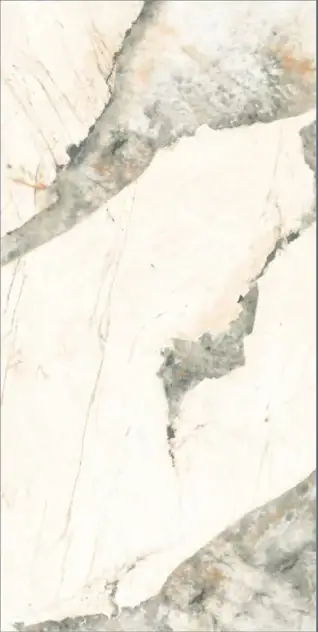


The distinction between "vitrified" and "porcelain" tiles is a frequent point of confusion in Pilibhit's tile market, largely because these terms are used differently in India compared to global standards. Internationally, "porcelain" is the technical term for any tile with water absorption below 0.5%, with "vitrified" describing the firing process that achieves this. In the Indian market, particularly within the Morbi manufacturing cluster that supplies Pilibhit dealers along Bareilly Road and Puranpur Road, "porcelain" often refers to a medium-density category (2 to 5% water absorption), while "vitrified" denotes a premium, higher-density category (below 0.5% absorption). For Pilibhit buyers, clarity comes from a single technical benchmark: the water absorption percentage, which directly indicates a tile's suitability for the city's hot and humid climate. Explore more tile design ideas for durable flooring.
Global Terminology vs Indian Market Terminology
Understanding the varied terminology for tiles is crucial for buyers in Pilibhit to make informed decisions. The discrepancy between global and Indian market definitions can lead to confusion, especially when comparing tile specifications and quality. Clarifying these terms helps ensure that the chosen tiles meet international and local performance expectations.
How the World Defines Porcelain
Internationally, tiles with water absorption below 0.5% are classified as porcelain tiles. The "vitrified" descriptor refers to the manufacturing process (firing at high temperature until the clay vitrifies into a glass-like dense structure) that achieves this low absorption. In global markets, there is no separate retail category called "vitrified"; all low-absorption dense tiles are porcelain, period. For living rooms, selecting the right type of living room tiles depends on this classification.
How India and Morbi Use These Terms
In India's domestic market, terminology evolved differently from international standards. Morbi manufacturers label two distinct product categories: Porcelain (typically 2 to 5% water absorption, medium density, used for standard residential bedrooms and light-use applications) and Vitrified (typically below 0.5% absorption, higher density, more expensive, used for living rooms, commercial floors, and premium applications). This domestic labelling convention is marketing-driven rather than technically standardised, causing variations even among Pilibhit dealers.
Water Absorption: The Real Technical Benchmark
For Pilibhit buyers, water absorption percentage is the single most reliable technical parameter for evaluating tile suitability. This metric directly impacts a tile's strength, scratch resistance, stain resistance, and long-term durability. Understanding these implications helps in selecting the most appropriate tiles for various applications across the city's diverse building types.
| Category (India Context) | Absorption | Density | Best Pilibhit Use |
|---|---|---|---|
| Indian Market Porcelain | 2% to 5% | Medium density | Bedrooms, low-traffic indoor areas |
| Indian Market Vitrified | 0.5% or below | High density | Living rooms, kitchens, commercial floors |
| Full Body Vitrified | 0.05% or below | Very high density | Heavy commercial, parking, institutional use |
Lower absorption equals higher density. Higher density equals better strength, scratch resistance, stain resistance, and long-term durability. For Pilibhit households, the simple rule: ask for water absorption percentage. Below 0.5% is vitrified-level performance; 2 to 5% is porcelain-level in the Indian market context. This applies to bathroom tiles and other wet areas as well.
Size-Based Market Reality in Pilibhit
Tile size often correlates with its technical specification and typical use in the Pilibhit market. Smaller sizes are frequently found in the Indian porcelain category, while larger formats tend towards vitrified standards. This size-based reality influences both pricing and recommended applications for various projects across the city.
400x400 mm and 500x500 mm Tiles
These sizes are mostly produced as porcelain (Indian context) with water absorption typically 2 to 5%. They are budget-friendly. Suitable for Pilibhit bedrooms, rental properties, and light-use indoor floors. There is limited vitrified production in these sizes due to pricing sensitivity, making them a cost-effective option for specific projects.
600x600 mm Tiles
This size is available in both porcelain and vitrified in Pilibhit. Matte surface 600x600 mm is commonly porcelain. Polished glossy and double-charge 600x600 mm are typically vitrified. This is the most popular size in Pilibhit, creating the highest terminology confusion because both categories exist at this size, requiring careful verification of water absorption.
600x1200 mm and Larger Formats
Polished glossy, high-gloss, and full-body colour tiles in 600x1200 mm and above are consistently vitrified-level specification in Pilibhit. Matte and carving matte in 600x1200 mm may be either vitrified or porcelain depending on the manufacturer. Large formats requiring higher structural integrity tend toward vitrified standards, ensuring durability. For outdoor areas, ensure you choose the correct outdoor tiles in these larger sizes.
Performance and Practical Usage in Pilibhit
The choice between vitrified and porcelain tiles in Pilibhit significantly impacts their performance and suitability for different areas. Understanding these practical usage guidelines helps homeowners and commercial property owners select tiles that meet specific durability and maintenance requirements, ensuring long-term satisfaction and value.
Residential Use
Bedrooms and low-traffic spaces: Indian market porcelain tiles are sufficient and cost-effective for Pilibhit homes. Kitchens and living rooms: Vitrified specification is preferred for stain resistance and durability due to higher usage. Bathroom floors: Low water absorption specification is recommended for safety and hygiene. Outdoor areas: Vitrified or porcelain with near-zero absorption is crucial for weather resistance.
Commercial and Heavy-Traffic Use
For shops, offices, corridors, and parking in Pilibhit: Always specify vitrified-level (below 0.5% absorption). These offer better load-bearing capacity, scratch resistance, and long-term surface durability compared to Indian market porcelain. The robustness of vitrified tiles makes them ideal for environments with heavy daily foot traffic and constant use, common in commercial areas of Pilibhit.
-9f831d48-b3bd-4701-a2a1-136f1cbd1251.jpg)