Tile Design in Mathura: Creation Methods, Surface Types and Trending Looks
Loading designs...
-
 20933-L
 -
 20933-HL2
 -
20933-HL1
-
20933-D
-
20932-HL2
-
20932-HL1
-
20932-L
-
20931-HL-2
-
20931-HL-1
-
20931-L
-
20930-L
-
20930-HL-2
-
20930-HL-1
-
20930-D
-
20929-HL-2
-
20929-HL-1
-
20929-L
-
20928-L
-
20928-HL-2
-
20928-HL-1
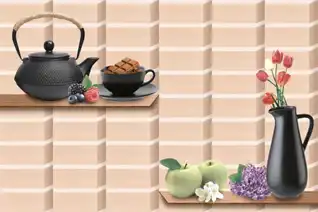
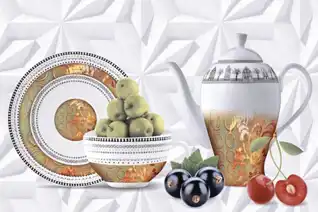
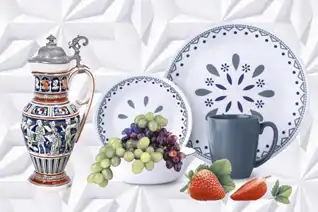
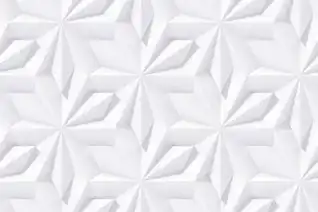

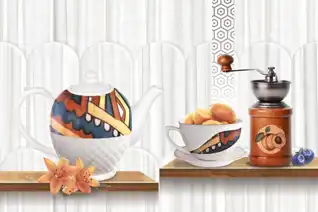
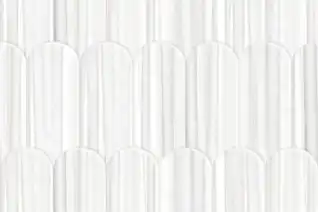
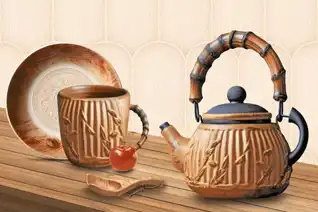
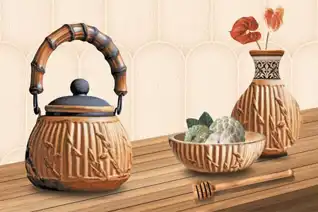
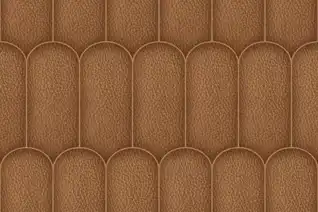
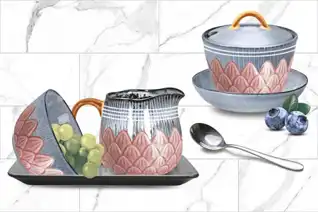
Tile design in Mathura has evolved significantly over the past five years as Morbi manufacturers have brought international design trends to the Indian market with progressively shorter lead times. The designs available at Mathura dealers today, from seamless endless marble patterns to fluted 3D wall cladding to terrazzo chip prints, were previously accessible only in imported tiles at significantly higher cost. Understanding how these designs are created helps Mathura buyers evaluate design quality, choose between similar-looking options, and predict how the tile will perform visually in their specific room and lighting conditions. For more ideas, explore tile design ideas for various applications.
How Tile Designs Are Created in Mathura
Modern tile designs in Mathura involve sophisticated manufacturing processes.
Digital Printing: The Foundation of Modern Tile Design
High-definition inkjet printing is the primary design method for all GVT, PGVT, and ceramic tiles available in Mathura. Digital printers apply ultra-realistic, high-resolution patterns onto the tile surface before kiln firing at above 1,100 degrees Celsius. The digital process allows any visual design, from Italian marble vein to photographic botanical print to geometric graphic, to be reproduced with consistent colour accuracy across an entire production batch. This is why a box of Mathura marble-look tiles contains tiles that all look identical: digital printing calibrates each piece to the exact same design output.
Punch and Emboss: Physical Texture Creation
For designs that create a tactile, physically feelable surface, manufacturers use pressed punch moulds during the tile body formation stage before firing. The punch mould imprints physical grooves, raised elements, or surface irregularities into the clay body before the design is printed over it. This creates wood plank tiles where you can feel the wood grain, stone-look tiles where you can feel the natural surface variation, and 3D wall tiles where the raised geometric or wave pattern creates shadow effects under light. The combination of matching digital print and physical punch texture is what makes wood tiles and stone look tiles genuinely realistic rather than merely printed in Mathura.
Glaze Special Effects
The glaze applied over the printed design can include specialist formulations that create additional visual effects. Sugar finish (granular glaze particles) creates a sparkling rough texture. Lustre glaze adds metallic sheen to specific design elements. Carving glaze applies a glossy chemical to specific areas (marble veins) while the background remains matte, creating the dual-texture carving effect that is the most popular premium finish in Mathura today.
Understanding Tile Surfaces in Mathura
Different tile surfaces offer distinct aesthetic and functional benefits for Mathura homes.
Polished Glossy PGVT
Polished glossy PGVT offers a mirror-like polished surface. It makes small Mathura rooms look larger by reflecting ceiling light across the floor. This is a premium specification for dry living rooms and commercial showrooms. It is slippery when wet: not for bathrooms, kitchen floors, or balconies in Mathura. Buyers in Mathura also look at glossy tiles to find styles that work with this aesthetic.
Matte finish tiles
Matte finish provides a non-reflective natural surface. It hides Mathura dry-season dust and hard water marks better than any glossy alternative. Higher friction provides better grip. This is the most practical specification for Mathura kitchens, bathrooms, balconies, and any floor subject to Mathura's dusty conditions. It is the safest choice for wet areas.
Carving Matte (Satin Matte)
Carving matte is the most trending finish in Mathura currently. It features a satin-matte tile surface with a glossy chemical carving applied only to the marble vein or pattern lines. The background is non-reflective and safe; the veins glisten under light. This combines the luxurious visual quality of polished marble with the anti-dust and anti-slip practical performance of matte. The carving effect is most visible under warm directional lighting. This is the finish architects and interior designers in Mathura most frequently specify for premium residential living room floors.
Latest Tile Design Trends in Mathura
Mathura's tile market sees a constant influx of new and exciting design trends.
The Endless Marble Look
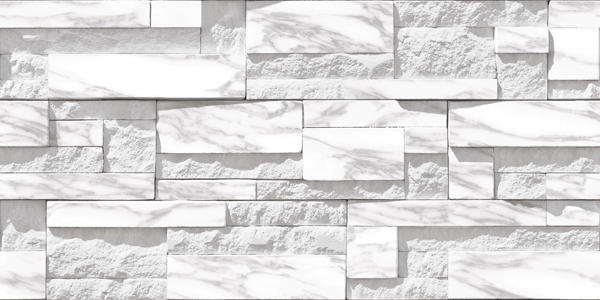
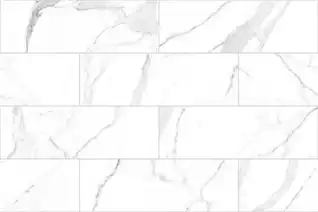
Large slab tiles (800x1600 mm, 1200x1800 mm) with continuous vein patterns connect from one tile to the adjacent tile, creating the appearance of a single giant marble slab across an entire Mathura hall floor. This is the most popular premium floor trend in Mathura. When installed correctly with matched epoxy grout, the vein continues across the joint, and the floor reads as one continuous stone surface. Buyers in Mathura also look at marble look tiles to find styles that work with this aesthetic.
Terrazzo Revival
The classic multi-chip speckled flooring pattern from traditional Indian institutional floors is back as a premium contemporary design choice in Mathura. Colourful chips (orange, blue, grey) on a white or beige base in large format GVT tiles are used for kitchen backsplashes, bathroom floors, and creative commercial spaces in Mathura.
3D and Fluted Wall Textures
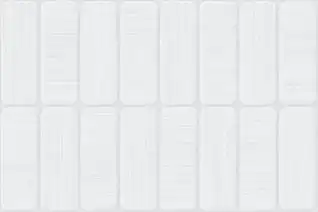
Fluted (vertical groove) tiles and 3D embossed geometric patterns are popular for TV unit walls and foyer panels in Mathura. These create depth, shadow, and tactile architectural detail on flat wall surfaces. This is the most popular wall design upgrade in Mathura premium home renovations currently.
Trending Colour Combinations in Mathura
- Sage green with light oak wood look: Used in Mathura bathrooms and balconies. It is fresh, organic, and calming.
- Navy blue with white: Popular for living room feature walls and kitchen cabinet areas. It creates a high-contrast luxury look.
- Greige with charcoal grey: Suitable for modern offices and master bedrooms. It offers a sophisticated neutral pairing.
- Terracotta with cream or ivory: Used for verandahs, porches, and traditional Mathura kitchen walls. It is warm, earthy, and culturally resonant.
Surface Finish Trends in Mathura
Baby satin (ultra-soft silk matte with zero reflection) is gaining popularity in Mathura for bedroom floors where barefoot comfort and zero glare are the priority. Lappato (semi-polished: stone texture high points polished, low points remain rough) is suitable for outdoor Mathura walls and premium parking surfaces that require both aesthetic quality and outdoor durability.
Tile design in Mathura, especially GVT and PGVT, comes with water absorption below 0.5%, commonly in 600x1200 mm and 800x1600 mm sizes. These tiles, sourced from Morbi, Gujarat, range from Rs. 40 to Rs. 150 per sq.ft and are ideal for Mathura's climate, offering both aesthetic appeal and resistance to dust and moisture. The carving matte finish is particularly well-suited for Mathura's interior design preferences, blending luxury with practicality. Buyers in Mathura also look at terrace tiles to find styles that work with this aesthetic.
Tiles Design Showroom and Dealer in mathura
Radha Rani Tiles Shop
Contact: +91 99880 73580
S K Tiles - Tile Showroom in Mathura
Contact: +91 98974 33985
-be62e56b-3f7f-4d80-956a-e80e3776935f.jpg)