Pooja Room Tiles In Kota: Modern Designs, Latest Prices, Spiritual Colours
Loading designs...
-
 Sea Sand Giallo
 -
 Belador Natural
 -
Quartzite Light Grey
-
White Gold Decore
-
Marstone Blue
-
1784 HL 1
-
5054 HL 6
-
5092 HL 3
-
Casa Irene Beige (800 x 1600)
-
5092-2
-
1784
-
5054-2
-
5054 HL 22
-
5054 L 2
-
1784 LT
-
1784 HL 2
-
5092 HL 2
-
5092 LT 2
-
White Gold
-
5092 HL 2

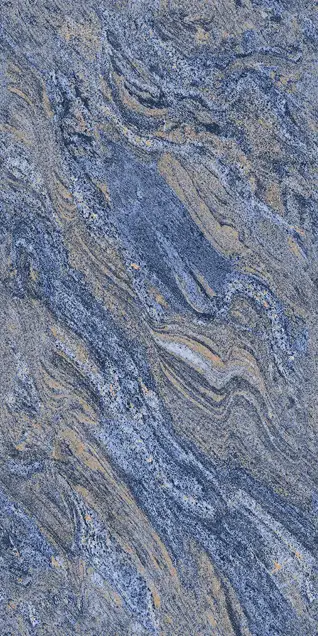















Pooja room tiles play a vital role in creating a peaceful and sacred atmosphere in Kota homes. Homeowners increasingly prefer tiles that reflect spiritual purity, enhance brightness, and remain easy to maintain for years, moving away from traditional marble and stone. These modern tile solutions cater to Kota's architectural preferences, from compact apartments to expansive villas, ensuring both devotion and design harmony.
Latest Pooja Room Tile Designs in Kota
Pooja room tile designs in Kota are deeply influenced by traditional beliefs, modern aesthetics, and the essential need for low-maintenance sacred spaces. Most homeowners in areas like Vigyan Nagar and Mahaveer Nagar opt for bright, elegant, and spiritually inspired tile designs that complement their devotional practices. The city's dry climate also favors easily cleanable surfaces, a shift from more porous natural stones.
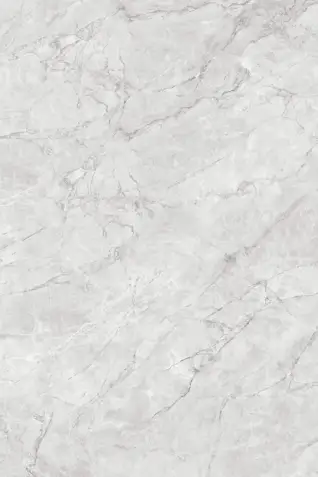
Marble-Look Pooja Room Tiles: Marble-look tiles are the most preferred choice for pooja rooms in Kota because they create a divine and luxurious appearance. These tiles replicate natural marble textures such as white marble with soft grey or gold veins, significantly enhancing the brightness of the mandir space. They reflect light effectively, making small pooja rooms in apartments appear larger and more peaceful. Marble-look tiles are also easy to clean and maintain, making them ideal for daily worship areas, a practical choice for busy households.
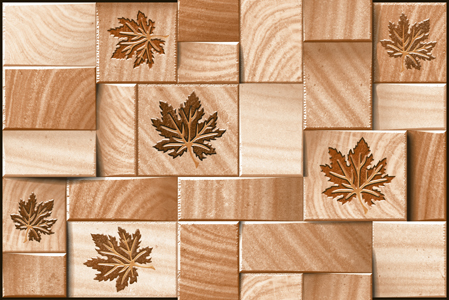
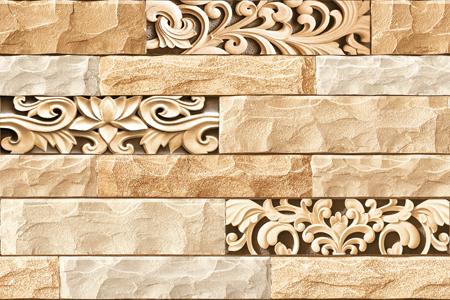
Decorative Religious Motif Tiles: Tiles featuring spiritual symbols like Om, Swastik, lotus, bells, and mandala patterns are increasingly popular in Kota homes. These tiles add cultural and religious significance to the pooja room and help create a strong spiritual focal point. Decorative motif tiles are typically installed on the back wall of the mandir area, enhancing the overall aesthetic and devotional atmosphere, often chosen by architects for a bespoke look. For a clearer idea, you can use tile mockups.
Glossy White Wall Tiles: Glossy white tiles are widely used for pooja rooms in Kota because they symbolize purity and cleanliness. Their reflective surface enhances lighting and creates a calm and serene environment, especially beneficial in compact pooja spaces within modern apartments and builder floors. Glossy white tiles also complement wooden mandir units and traditional décor, aligning with local aesthetic preferences for brightness and simplicity. They replace traditional plain plaster for a more refined finish.
3D Texture and Carved Tiles: 3D pooja room tiles provide depth and artistic detailing to mandir walls. These tiles feature embossed patterns, carved textures, or subtle geometric designs that enhance visual appeal while maintaining a spiritual feel. In Kota homes, 3D tiles are often used behind the idol placement area to create a premium and distinctive mandir wall, adding a contemporary touch to sacred spaces. These designs are popular in newly constructed villas and high-end apartments.
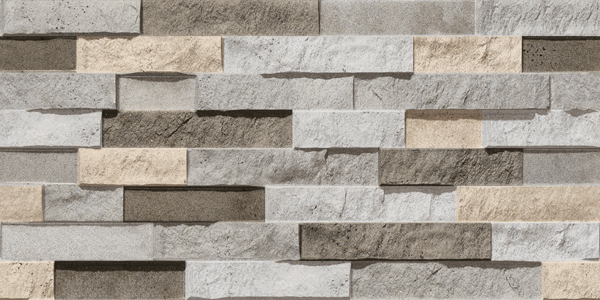
Stone and Natural Texture Tiles: Stone-look tiles replicate natural materials such as sandstone and limestone, giving pooja rooms an earthy and traditional look. These tiles are especially popular in independent houses and traditional-style homes in Kota, particularly around older parts of the city. Their matte finish reduces glare and provides a calm, grounded appearance suitable for sacred environments, offering an alternative to real stone with easier maintenance. Explore stone look floor tiles for similar textures.
Pooja Room Tiles Price in Kota & Nearby Areas
The price of pooja room tiles in Kota depends on tile type, finish, design complexity, and brand quality. Prices may vary slightly in nearby areas such as Bundi, Jhalawar, and Baran, influenced by transportation costs and local market demand. Kota's competitive tile market, centered around areas like Station Road, offers a wide range of options to suit various budgets, from economical to premium selections.
| Tile Category | Finish Type | Typical Price Range |
|---|---|---|
| Ceramic Wall Tiles | Glossy / Matte | ₹32 – ₹47 |
| Vitrified Wall Tiles | Polished / Satin | ₹39 – ₹59 |
| Decorative Motif Tiles | Glossy / Carved | ₹47 – ₹107 |
| 3D Designer Tiles | Textured / Embossed | ₹57 – ₹127 |
| Premium Marble-Look Tiles | Polished | ₹42 – ₹72 |
Prices are indicative and exclude GST and transportation. Bulk purchases for large residential projects or premium designer selections in Kota may incur higher pricing, reflecting the city's diverse housing market and demand for quality. For optimal selection, consider exploring tile preview designs.
Most Popular Pooja Room Tile Colours in Kota
Colour selection is exceptionally important for pooja rooms in Kota, as it affects both the spiritual ambiance and visual harmony. Kota homeowners consistently prefer colours that represent purity, positivity, and peace, aligning with traditional Vastu principles and modern aesthetic preferences for bright, serene spaces. The local climate also influences choices, favoring colors that reflect light and contribute to a cool, calm atmosphere.
White Tiles: White is the most popular pooja room tile colour in Kota because it symbolizes purity and spiritual cleanliness. White tiles reflect maximum light, making pooja rooms appear brighter and more peaceful, a desirable quality in smaller apartment pooja spaces. They are also versatile and match well with wooden, marble, or traditional mandir units, fitting seamlessly into various home interiors across the city.
Beige and Cream Tiles: Beige and cream tiles provide a warm and traditional look, creating a calm environment without appearing overly bright. These colours are especially suitable for homes that prefer subtle and classic pooja room designs, often found in independent houses or builder floors. They offer a soothing backdrop that complements traditional decor while being easy to maintain, a practical benefit in Kota.
Light Yellow and Golden Shades: Light yellow and golden shades represent positivity, prosperity, and spiritual energy, making them a popular choice in Kota. These colours enhance the devotional atmosphere and are often used in decorative tiles or accent walls behind idols. They add a touch of warmth and auspiciousness, reflecting local cultural preferences for vibrant yet serene spiritual spaces.
Soft Grey and Marble Vein Colours: Soft grey marble-look tiles are popular for modern pooja rooms in Kota. These colours maintain brightness while adding a touch of luxury, offering a contemporary twist on traditional designs. They are commonly used in contemporary Kota homes, particularly in new apartment constructions, where a sleek and sophisticated aesthetic is desired without compromising on spiritual tranquility.
Pastel and Light Spiritual Colours: Light pastel colours such as off-white, light peach, and soft ivory are gaining popularity in modern pooja rooms in Kota. These colours provide a gentle and soothing background without distracting from the mandir idols. They contribute to a serene and uncluttered devotional space, aligning with minimalist design trends seen in many urban homes. For more tile design ideas, visit our gallery.
Vastu-Recommended Pooja Room Tiles in Kota Homes
Vastu Shastra plays a significant role in pooja room design in Kota, with homeowners preferring tiles that align with spiritual and Vastu principles to promote peace, prosperity, and positive energy. This traditional science guides material choices, ensuring that the sacred space resonates with beneficial vibrations, a deeply ingrained cultural practice in many Kota households.
Light-Coloured Tiles for Positive Energy: Vastu strongly recommends light colours like white, cream, and light yellow for pooja rooms because they promote calmness and positivity. These shades create a peaceful, distraction-free environment, helping you focus better on meditation and prayer. This is a common practice in Kota homes, from large villas to compact apartments, aiming to harness positive energy.
Glossy and Clean Surface Tiles: Smooth and glossy tiles are recommended by Vastu as they symbolize cleanliness and purity, essential attributes for a sacred space. These tiles also significantly simplify maintenance, ensuring the pooja area remains hygienic and sacred. This practicality resonates with Kota residents who seek ease of upkeep alongside spiritual adherence. For optimal choices, consider exploring glossy tiles design.
Marble-Look Tiles for Spiritual Elegance: Marble-look tiles are considered highly auspicious in Vastu. Their natural patterns and bright appearance enhance the spiritual environment and make the pooja room feel divine, mimicking the reverence for natural marble. This choice is prevalent in many Kota homes, reflecting a desire for both luxury and spiritual harmony, without the high cost and maintenance of real marble.
Avoid Dark and Heavy Colours: Vastu discourages the use of dark colours such as black, dark brown, or dark grey in pooja rooms. These colours may reduce brightness and negatively affect the peaceful atmosphere, which is contrary to the serene energy desired in a sacred space. Kota homeowners generally adhere to this guideline, opting for lighter palettes to maintain sanctity.
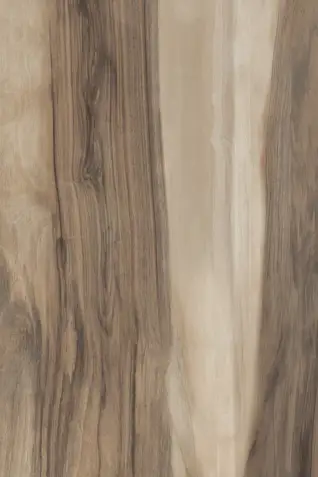
Natural Texture Tiles for Traditional Homes: Natural stone-look tiles are recommended for traditional pooja rooms, especially in independent houses in Kota. These tiles provide a grounded and stable appearance that aligns with spiritual traditions, offering a sense of connection to nature. They are often chosen to evoke a timeless, rustic charm while benefiting from modern tile durability.
Pooja Room tiles showroom and dealer in kota
SIDDHIVINAYAK TILES, SAINATRY & GRENITE
Jain Tiles & Sanitary
Contact: +91 96365 35545
Kota Stone Tiles ( GARG STONE COMPANY KOTA ) Kota stone manufacturer | kota stone supplier | kota stone wholeseller
Contact: +91 94141 88860
-036730dd-93cb-4190-801f-1175640f7eb0.jpg)