Skirting Tiles In Jhabua: Usage, Benefits & Cost
Loading designs...
-
 3D 001
 -
 3D 002
 -
3D 003
-
3D 004
-
3D 005
-
3D 006
-
3D 007
-
3D 008
-
3D 009
-
3D 010
-
Adison Grey
-
Adison chocco
-
Afyon Bianco
-
Adison Ivory
-
3D 011
-
Albert White
-
Armani chocco
-
Aldur Brown
-
3D 012
-
Armani Nero









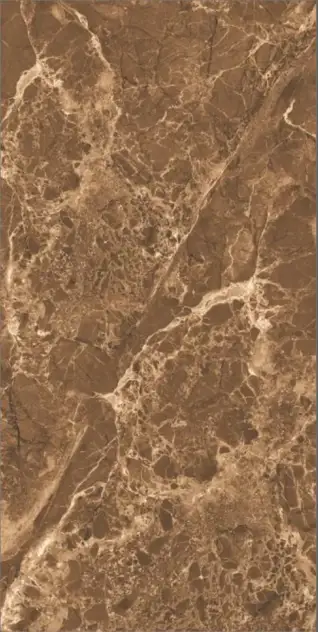
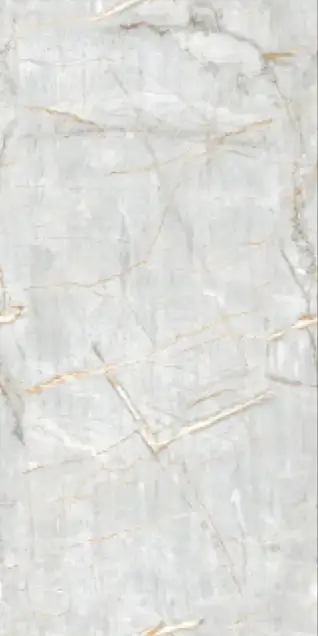



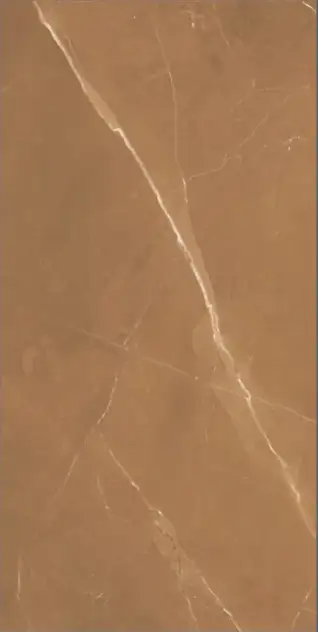


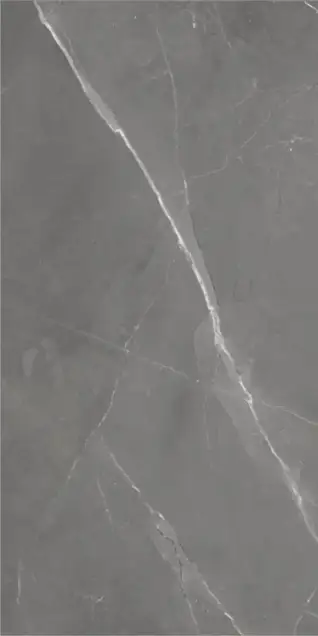
Skirting tiles, the 4-inch tile border at the base of your walls, are essential for homes in Jhabua. Far from just a decorative frame, they act as a critical structural shield to protect your walls from daily mopping damage and expansion cracks, which are common issues given Jhabua's climate variations. In residential areas like Rajwada Colony and new apartments, skirting is a fundamental element for both aesthetics and long-term durability. These tiles effectively bridge the gap between floors and walls, preventing moisture absorption and concealing imperfections. Local builders and homeowners in Jhabua increasingly recognize the dual benefit of skirting, investing in quality materials that ensure the longevity and pristine appearance of their interiors.
The Structural Usage: Hiding Expansion Gaps and Uneven Edges
Most homeowners in Jhabua don't realize exactly why skirting is installed in the first place; its primary purpose is structural concealment and protection. During the intense heat of a Jhabua summer, building materials expand. When laying floor tiles, masons must leave a slight gap, typically 3mm to 5mm, between the edge of the floor tile and the wall. If tiles are pushed flush against the wall, the summer heat will cause them to expand, buckle, and potentially pop out. Skirting tiles are installed over this necessary expansion gap, cleverly hiding the unsightly joint while still allowing the floor underneath to breathe and shift naturally. Additionally, the bottom edge of a plastered wall is rarely a perfect, straight 90-degree line; skirting acts as a clean, sharp visual boundary that covers up any wavy or uneven plasterwork at the base of the room, ensuring a polished finish in Jhabua homes. This is a critical element for modern tile designs.
The Daily Defence Benefit: Protecting Walls from Mopping (Pochha) Damage
This is arguably the most important practical benefit for Indian households in Jhabua. Because Jhabua experiences dry, dusty winds for much of the year, daily wet mopping (pochha) is mandatory to keep homes clean. Without skirting, a wet mop repeatedly hits the bottom of your painted walls every single day. Wall putty and emulsion paints are not designed to handle constant water exposure. When the wall absorbs this mop water, it leads to rising dampness ('seelan'), which, over a few months, causes expensive wall paint to start bubbling, flaking, and peeling off at the bottom. A 4-inch tile skirting acts as an impenetrable, waterproof shield that takes the hit from the wet mop, keeping your walls pristine. This is particularly vital in Jhabua, given the high frequency of cleaning needed, ensuring the longevity of interior finishes and maintaining hygiene. Considering tile mockups can help visualize the protective role of skirting.
Hygiene & Maintenance Benefits: Keeping Corners Dust-Free
The 90-degree corner where a bare floor meets a bare wall is a notorious trap for dirt, an issue amplified by Jhabua's often dusty environment. Dust, pet hair, and spider webs naturally accumulate in room corners. Sweeping against a rough painted wall can leave dirty broom marks, making cleaning cumbersome. A smooth, glossy, or satin skirting tile allows the broom to glide effortlessly, making daily cleaning faster and more hygienic for Jhabua households. A massive trend in modern Jhabua duplexes and luxury villas is "Concealed" or "Flush" skirting. Here, the wall plaster is cut out, and the skirting tile is embedded into the wall so it sits completely flat. This innovative approach entirely removes the dust-catching ledge, giving a premium, 100% dust-free finish, aligning with contemporary interior design preferences in Jhabua. This is a key feature in tile preview designs for modern homes.
Understanding Skirting Tile Cost in Jhabua: Running Foot vs. Sq. Ft.
Tile pricing in Jhabua can be confusing because floor tiles are sold by the square foot (Sq. Ft.) or by the box, whereas skirting is calculated by the Running Foot (RFT)—meaning it is measured by length, not area. When budgeting for skirting in Jhabua, homeowners have two main options. Option A involves asking your contractor to cut leftover floor tiles into 4-inch strips. This is generally cheaper as it utilizes existing material, and you only pay the 'mistri' (mason) a small labor charge per running foot for cutting and installation. However, the cut edge will be sharp and flat, not rounded. Option B is to buy ready-made skirting tiles from local showrooms, often along the Indore-Ahmedabad highway. These come with beautifully rounded, polished top edges (bullnose finish) that look much more luxurious. They cost slightly more per RFT but save on cutting labor and provide a flawless, high-end finish without sharp edges. However, finding an exact design match with your floor tiles can be challenging, and local dealers in Jhabua rarely keep extensive stock due to inventory management difficulties, making Option A more common for budget-conscious projects.
Frequently Asked Questions (FAQs)
Skirting Tiles Showroom and Dealer in jhabua
Shree Nath Traders
Kothari construction and tiles
Contact: +91 94068 70642