Dholpuri Look Tiles in Hapur: Heritage Elevation Designs, Colours and Dealer Guide
Loading designs...
-
 3D 001
 -
 3D 002
 -
3D 003
-
3D 004
-
3D 005
-
3D 006
-
3D 007
-
3D 008
-
3D 009
-
3D 010
-
Adison Grey
-
Adison chocco
-
Afyon Bianco
-
Adison Ivory
-
3D 011
-
Albert White
-
Armani chocco
-
Aldur Brown
-
3D 012
-
Armani Nero
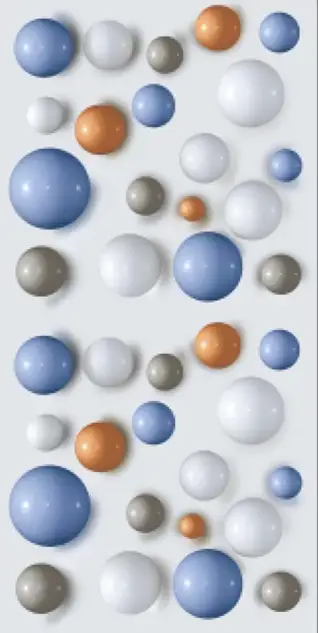
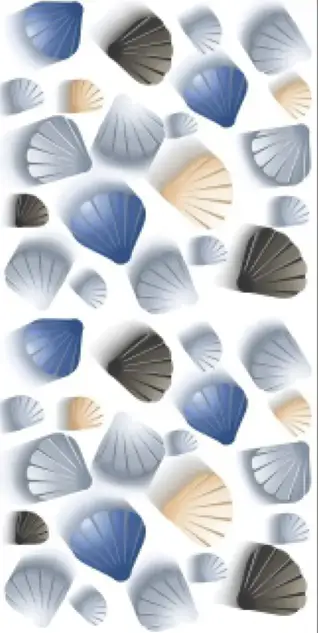


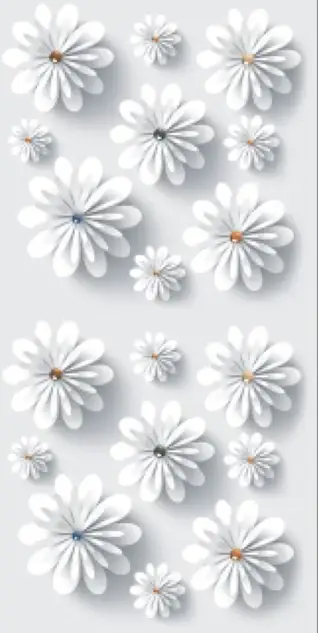
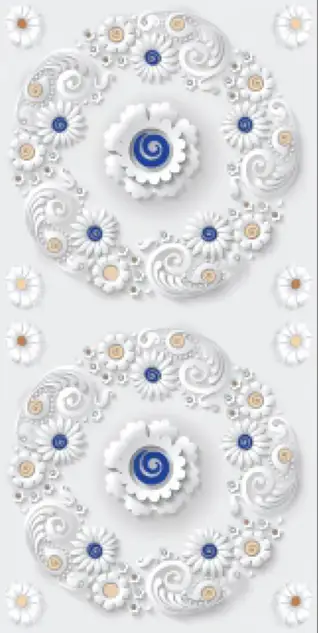
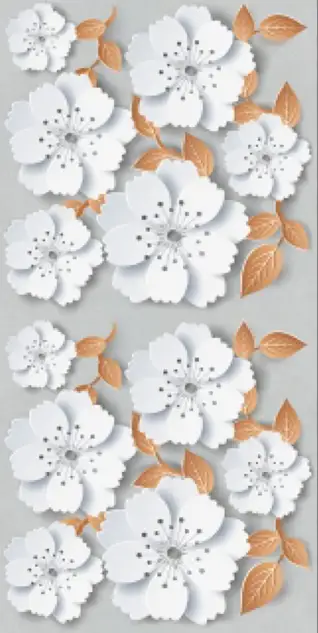
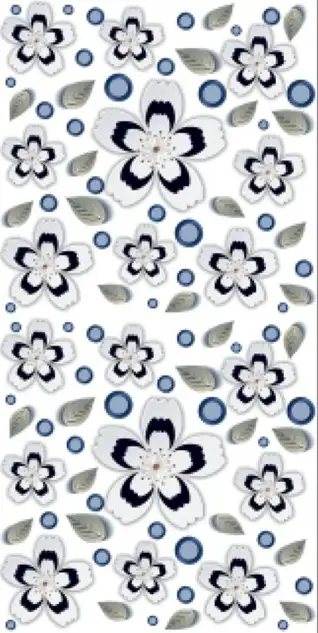
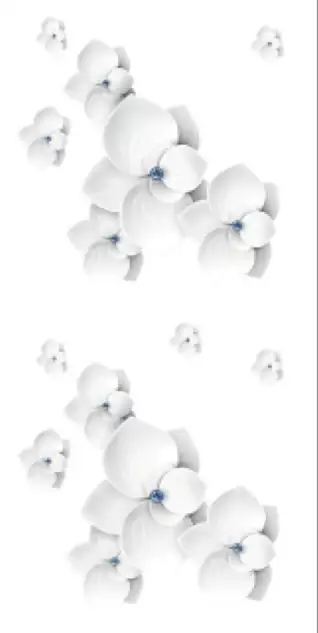
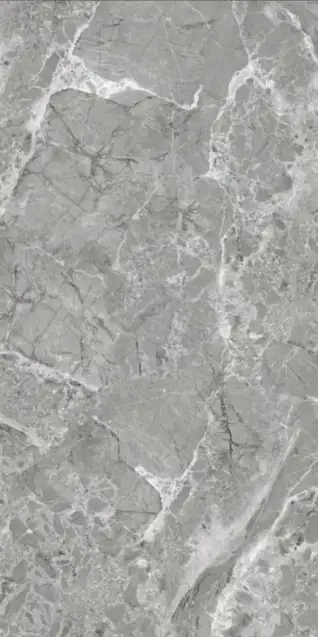
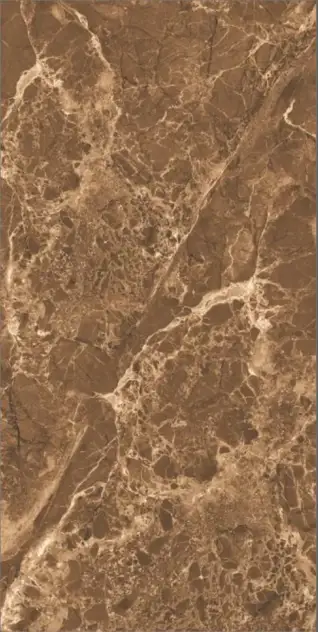
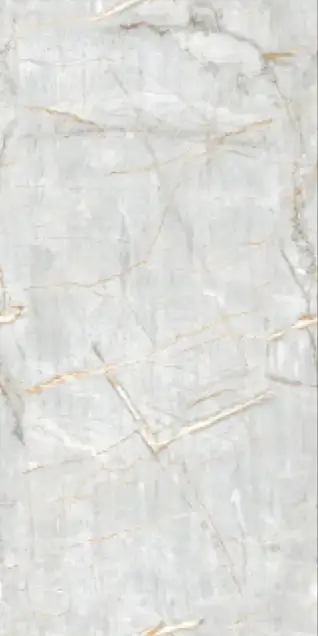
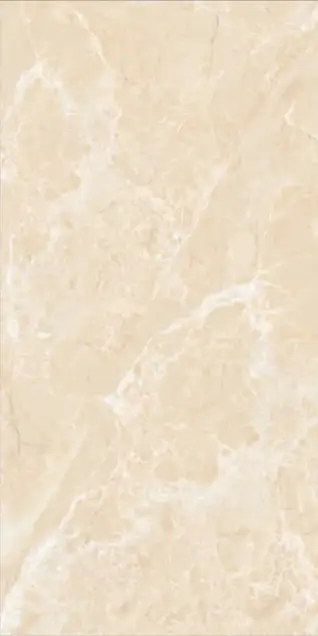

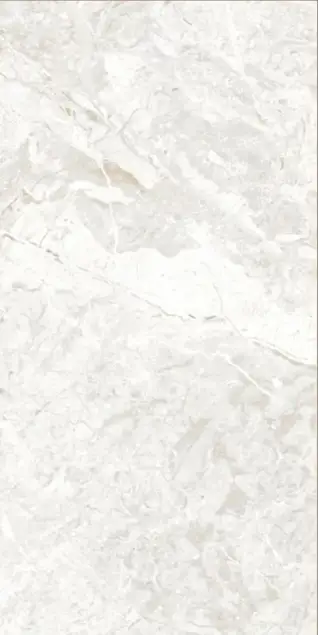
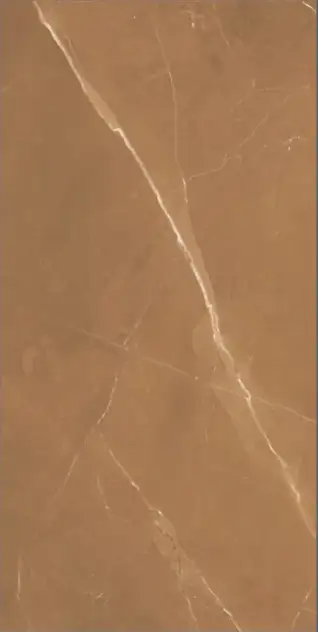
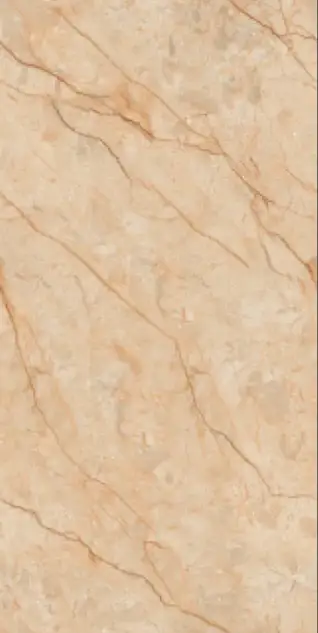

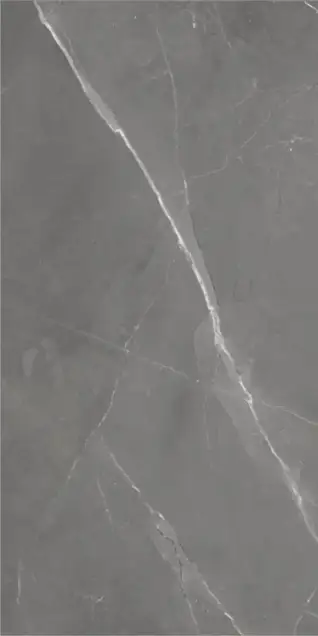
Dholpuri look tiles in Hapur connect to a strong architectural point in the western UP region: the heritage sandstone look of Dholpur stone, the pale pink-buff quarried stone that built the palaces, gateways, and civic structures of Rajputana and Mughal India and remains one of the most visually distinct natural stone faces in the subcontinent. In Hapur and the wider Uttar Pradesh context, a home with a Dholpur stone or Dholpuri-look elevation instantly shows quality, permanence, and architectural awareness. The problem with natural Dholpur stone in Hapur is that it is porous: natural sandstone soaks up monsoon rain, getting green moss, black fungal stains, and white salt deposits within two to three years, needing costly acid cleaning and regular re-sealing. Dholpuri look ceramic and vitrified tiles copy the carved sandstone texture, granular matte surface, and classic colour palette of natural Dholpur stone with almost no water absorption, stopping all moisture-damage problems of the natural material while keeping the architectural character fully. Hapur's independent houses, especially in Civil Lines and along Delhi Road, often choose Dholpuri look tiles for their front facades.
Transforming Hapur Elevations with the Dholpuri Look
Installing Dholpuri look tiles on front boundary walls, porch pillars, and main balcony facades in Hapur quickly raises the property's visual status. The dusty pink-sandstone colours connect to palatial heritage construction that is deeply part of regional architectural memory across western UP. The result is a home elevation that looks both rooted in regional heritage and current in its clean tile finish. High-quality Dholpuri tiles are not flat prints: they have a rough, granular, matte texture that mimics the carved and hand-finished surface of quarried Dholpur sandstone. When Hapur's strong afternoon sunlight hits the facade, these small textures create natural shadow changes across the surface, making the elevation look dynamic and three-dimensional rather than flat. Full elevation cladding is one way, but focused use is just as good and cheaper. A vertical Dholpuri tile strip running floor to terrace level on one facade panel creates an illusion of height that makes a standard two-storey Hapur duplex look taller and more substantial. This stripe technique is one of the most cost-effective appealing elevation upgrades available in the Hapur tile market.
Classic Dholpuri Colours in the Hapur Market
Iconic Dholpur Pink is the classic subtle dusty pink most linked with Rajasthani heritage architecture, seen in the Agra Fort and many heritage buildings across North and Central India. In Hapur, this is the most bought Dholpuri tile shade for traditional and semi-traditional home elevations. It looks good with stark white or ivory exterior wall paint, creating a clean contrast that makes the pink's warmth stand out. Sandstone Beige (The Modern Choice) is for Hapur homeowners who want the Dholpuri texture and heritage style but prefer a more neutral, current-friendly colour scheme. This warm earthy desert tone hides Hapur's seasonal outdoor dust much better than the pink version, making it very practical for ground-level elevation panels and boundary walls that get the most road dust. Deep Red and Terracotta are used as a contrast border to lighter pink or beige panels, Dholpuri red creates a striking high-contrast elevation look. It is most often chosen for lower boundary wall sections and entrance gateway pillars in Hapur where soil splash and tyre marks are most common. The deep red tone hides these marks well while adding architectural emphasis at the entry zone.
Why Dholpuri Tiles Outperform Natural Dholpur Stone in Hapur
Natural Dholpur sandstone has water absorption of 5 to 15% depending on quality. In Hapur's monsoon season with 700 to 900 mm of concentrated July to September rainfall, this means the stone actively soaks up rainwater. Within two to three years, this trapped moisture causes green moss, black fungal staining, and white salt deposits to appear across the elevation surface, needing costly acid washing and re-sealing that is hard to find regularly in Hapur. Ceramic and vitrified Dholpuri look tiles have water absorption below 0.5% per IS 15622:2006, or almost zero in the best vitrified types. They completely block monsoon rainwater entry. A Dholpuri tile elevation in Hapur will show no moss, no fungal staining, and no salt deposits no matter the monsoon intensity, because there is no porous surface for moisture to enter. Natural Dholpur stone in Hapur needs acid washing every three to five years and re-sealing. Dholpuri look tiles need only a water-hose spray to remove Hapur dry-season dust and look freshly washed.
Dholpuri Tile Dealer Guide in Hapur
Meerut Road tile and building material dealers and Civil Lines hardware shops in Hapur are the main places for Dholpuri look elevation tiles. Because this is an appealing exterior specialty, standard dealers might not have large ready stock. Display panels and catalogue samples at Meerut Road dealers let buyers see the texture and colour before ordering. Dholpuri look tiles are appealing exterior specialty products. Most Hapur dealers show samples and order from Morbi warehouses or regional distribution hubs. Typical lead time for a confirmed order is 4 to 7 working days for standard designs. Confirm availability and lead time before planning the installation schedule. The batch number rule is the most important buying rule for Dholpuri look tiles in Hapur. Natural stone-look tiles have subtle shade changes to copy natural stone. These shade changes differ between production batches. All boxes for one elevation project must come from the same batch number. Always figure out the total square footage needed for the full elevation project and order 10% extra from the same batch to cover cutting waste. Running short and reordering from a new batch creates visible colour differences on the finished elevation. Never let a Hapur mason install exterior Dholpuri cladding tiles using plain cement mortar. The heat changes of Hapur's 40+ degree summer surfaces and the cold winter nights create seasonal stress that eventually causes cement-fixed tiles to fall off the wall. Always choose polymer-modified tile adhesive made for exterior vertical wall cladding for all Dholpuri tile installations in Hapur.
Dholpuri Look Tile Prices in Hapur
| Tile Type | Price Range (Rs./sq.ft) | Notes |
|---|---|---|
| Basic Dholpuri Look Ceramic | Rs. 40 to Rs. 68 | IS 13630. Wall cladding use. |
| Appealing High-Depth Texture Ceramic | Rs. 58 to Rs. 95 | Better stone texture realism. Main elevation use. |
| Vitrified Dholpuri Look | Rs. 70 to Rs. 125 | IS 15622:2006. Best for outdoor strength. |
| Natural Dholpur Stone (reference) | Rs. 85 to Rs. 180+ | High care, porous. Needs sealing. |
Note: Prices are Hapur market estimates excluding GST and local transport. Prices may vary slightly in Garhmukteshwar, Pilkhuwa, and Modinagar. Budget additionally for polymer-modified adhesive (Rs. 18 to Rs. 28 per sq.ft) and skilled mason labour (Rs. 38 to Rs. 75 per sq.ft for exterior wall cladding in Hapur). These tiles work well for elevation tiles in Hapur. They offer a strong, weather-resistant finish perfect for the region's hot-dry and monsoon periods. Buyers in Hapur also look at tile design ideas to find styles that work with this colour palette. They are also a good option for outdoor tiles. The matte finish tiles ensure a non-glare and non-slip surface.
Dholpuri Look Tiles Showroom and Dealer in hapur
HAPUR TILES AND GRANITES
Contact: +91 79061 92336
JnK Marble Hapur
Contact: +91 99171 74663
Bana Tiles
Contact: +91 86305 17533