

Reality Between Vitrified and Porcelain Tiles in Faridabad: Understanding the Market Difference
Loading designs...
-
 20933-L
 -
 20933-HL2
 -
20933-HL1
-
20933-D
-
20932-HL2
-
20932-HL1
-
20932-L
-
20931-HL-2
-
20931-HL-1
-
20931-L
-
20930-L
-
20930-HL-2
-
20930-HL-1
-
20930-D
-
20929-HL-2
-
20929-HL-1
-
20929-L
-
20928-L
-
20928-HL-2
-
20928-HL-1










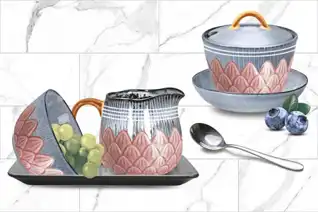





In Faridabad, porcelain and vitrified tiles are often used interchangeably, yet they differ significantly in technical specifications, a crucial distinction for homeowners and builders. While globally, porcelain dominates the tile industry, in India, particularly from manufacturing hubs like Morbi, terminology varies based on marketing and performance. Understanding these nuances is key to making informed decisions for homes, commercial spaces, and public buildings in Faridabad, ensuring optimal durability and suitability for the local climate.
Global Terminology vs Indian Market Terminology
Globally, the tile industry primarily uses 'porcelain tile,' defined by strict technical performance standards, specifically water absorption below 0.5%. Vitrification is part of the manufacturing process, not a separate retail category. However, in the Indian market, especially from Morbi, Gujarat, terminology evolved differently. Here, porcelain tiles often have water absorption between 2%–5%, while vitrified tiles boast a much lower rate of 0.5%–0.05%. Dealers in Faridabad use 'vitrified' to denote higher density and better performance, creating confusion for buyers. Manufacturers may label products differently for domestic and export markets, reflecting the local demand for clear performance indicators in Faridabad's competitive construction sector. For deeper insight, consider tile mockups.
Water Absorption: The Real Technical Benchmark
In Faridabad, the water absorption percentage is the most critical parameter distinguishing tile performance, directly impacting durability and longevity. Porcelain tiles, in the Indian context, typically have 2%–5% water absorption, making them moderately dense and suitable for indoor residential spaces like bedrooms and light-use living rooms. These are often cost-effective options found in apartments and builder floors. Vitrified tiles, however, have significantly lower water absorption (0.5%–0.05%), making them extremely dense, compact, and highly resistant to stains and moisture. They are available in various finishes like polished glossy and matte, offering stronger performance under heavy loads. This makes them better suited for commercial use, public places like Faridabad's bus stand, or high-traffic areas in luxury villas, ensuring improved durability and stain resistance for Faridabad's demanding environment. Explore various tile preview designs for different absorption rates.
Size-Based Market Reality in Faridabad
In Faridabad, tile size often correlates with whether a product is marketed as porcelain or vitrified, influencing its application. Smaller 400x400 mm and 500x500 mm tiles are mostly produced as porcelain with 2–5% water absorption, falling into a budget-friendly category suitable for bedrooms and rental properties in areas like Ballabgarh. Vitrified production in these smaller sizes is limited due to pricing sensitivity. The 600x600 mm size is highly popular in Faridabad homes and creates the most market confusion, as it's available in both porcelain (often matte) and vitrified (polished glossy, double-charged) options. For larger formats like 600x1200 mm and above, polished glossy, high glossy, and full color body tiles are typically vitrified, while matte and carving matte surfaces can be both. These premium, lower water absorption tiles are used in living rooms, commercial spaces, and showrooms in sectors like 14, requiring higher structural integrity. For larger spaces, consider 600x1200 tile ideas.
Performance, Strength & Practical Usage in Faridabad
For residential usage in Faridabad, porcelain tiles are generally sufficient for bedrooms, while vitrified tiles are preferred for kitchens and living rooms due to higher traffic. For bathrooms, low absorption tiles are recommended, and vitrified tiles are ideal for outdoor spaces exposed to Faridabad's climate. For commercial and heavy traffic usage, such as shops, offices in Sector 20, clinics, and parking areas, vitrified tiles are strongly recommended for their better load-bearing capacity, higher scratch resistance, and improved long-term durability. While porcelain is more budget-friendly, vitrified tiles, though slightly pricier due to higher firing temperatures and density, often justify the investment in high-use areas, offering superior longevity for Faridabad's bustling environment. Explore outdoor tile designs for durable options.
Why Terminology Confusion Continues
The terminology confusion between porcelain and vitrified tiles persists in Faridabad due to manufacturer and dealer practices. Morbi manufacturers often use 'porcelain' broadly but differentiate 'vitrified' for domestic premium positioning, creating a dual marketing strategy. Dealers in Faridabad may promote 'vitrified' as premium to signify superior quality, or use 'porcelain' to simplify explanations for budget-conscious buyers. The same tile might be called differently across showrooms in NIT or Ballabgarh. The technical truth is that all vitrified tiles are technically porcelain (due to the vitrification process), but not all porcelain tiles meet vitrified-level low absorption. This distinction is more market-driven than globally standardized, making it challenging for Faridabad buyers to decipher without proper guidance. For clear options, check stone look floor tiles.
Vitrified vs Porcelain Tiles Showroom and Dealer in faridabad
Kajaria Tiles Exclusive Showroom - Yash Tiles & Sanitaryware House
Contact: +91 98112 31788
Kajaria Tiles Exclusive Showroom - Yash Tiles & Sanitary House
Contact: +91 98112 31788
Kajaria Tiles Exclusive Showroom - Yash Tiles & Sanitary House
Contact: +91 98112 31788
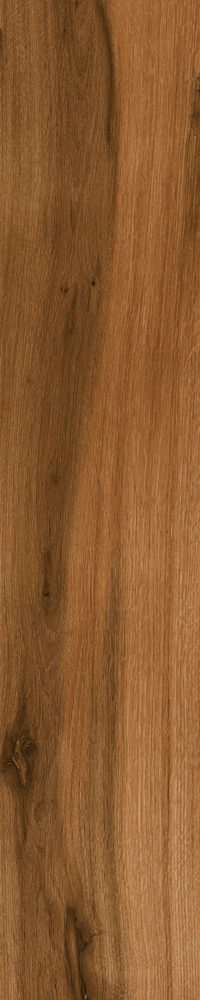
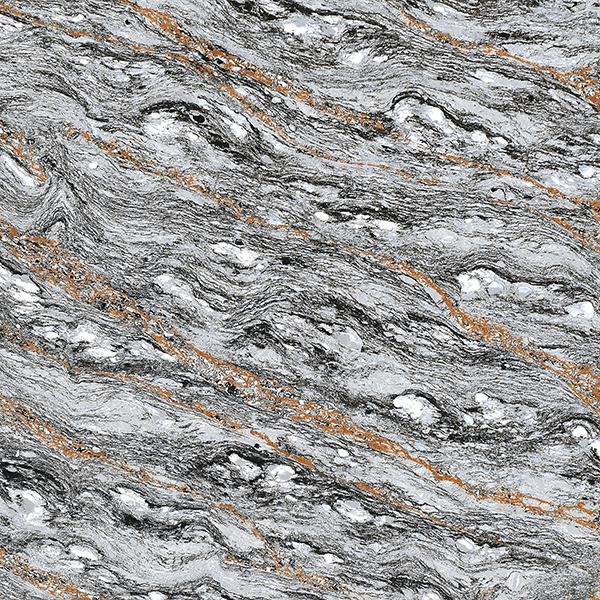
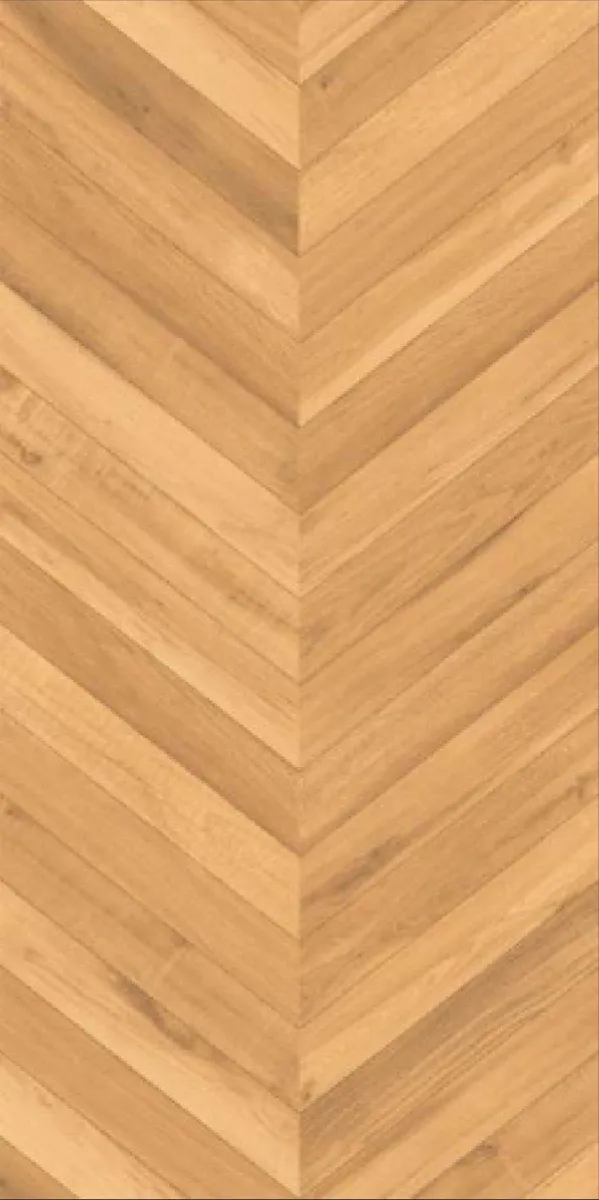
-9f831d48-b3bd-4701-a2a1-136f1cbd1251.jpg)