

Reality Between Vitrified and Porcelain Tiles in Dewas: Understanding the Market Difference
Loading designs...
-
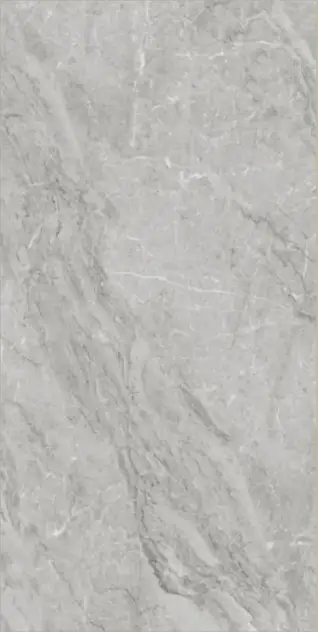 Eracco Grey
 -
 Gress Velvet Tortora
 -
Gress Velvet Tortora LT
-
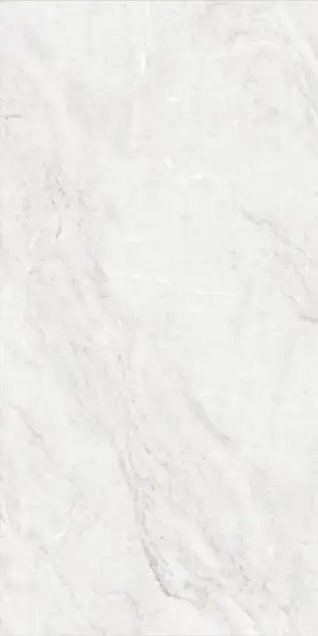
Eracco White
-
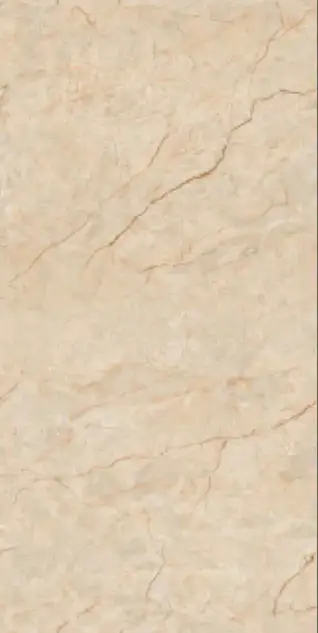
Leon Beige
-
Landmark Lemon
-
Lumina White
-
CWP 5011
-
Galaxy Crema
-
Lupit Grey
-
Lendmark Beige
-
Galaxy Grey
-
Greek Crema
-
Damas Bianco
-
Lendmark Brown
-
Marfil Fab Light
-
Greek Grey
-
Lendmark Crema
-
Italia Beige
-
Asterix Statuario



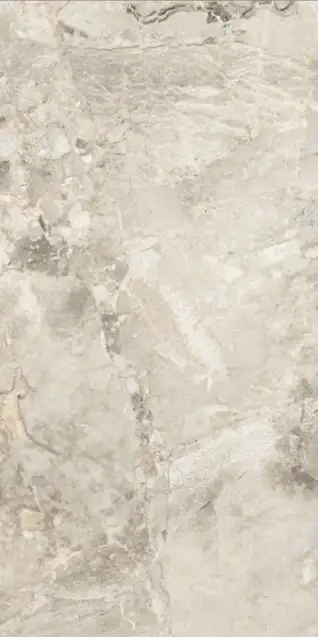
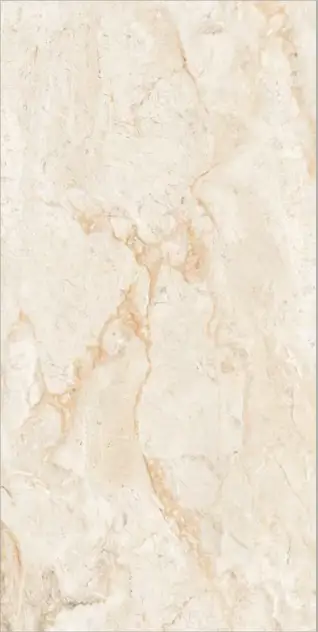
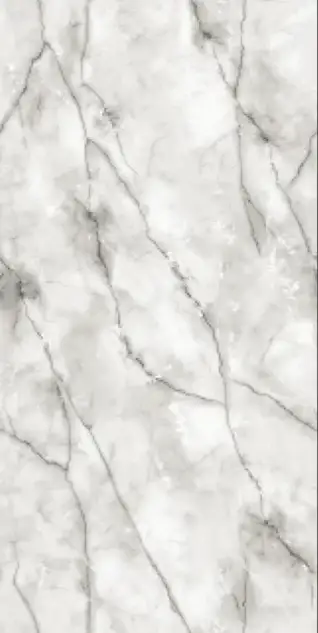

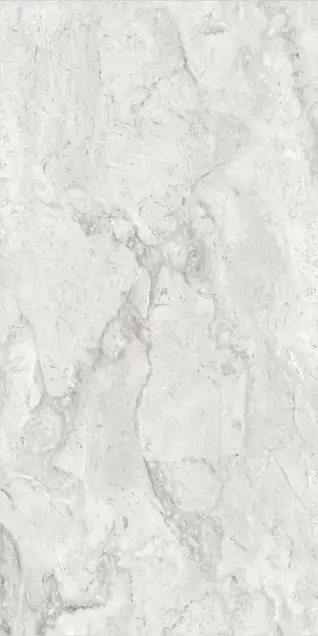
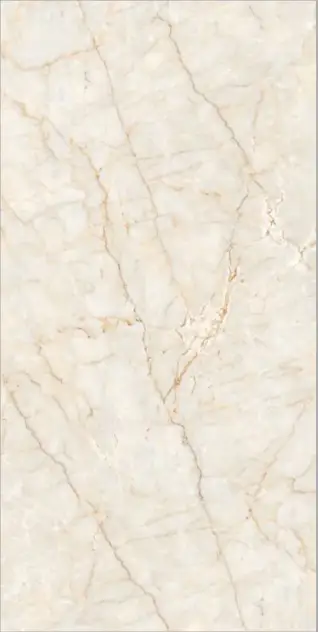

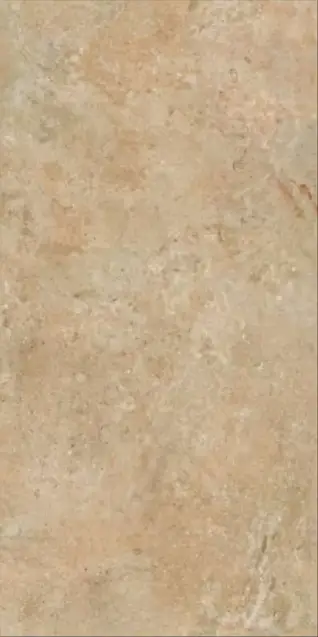
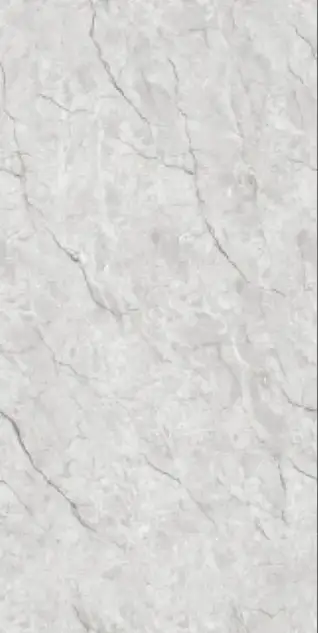
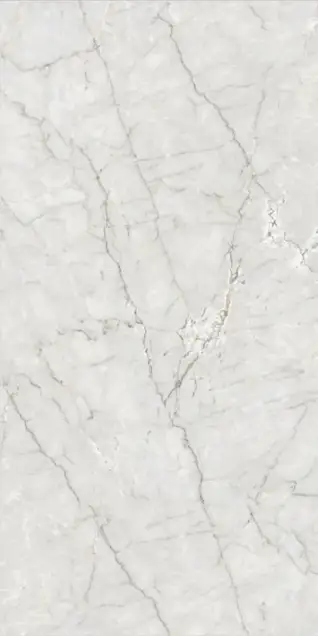


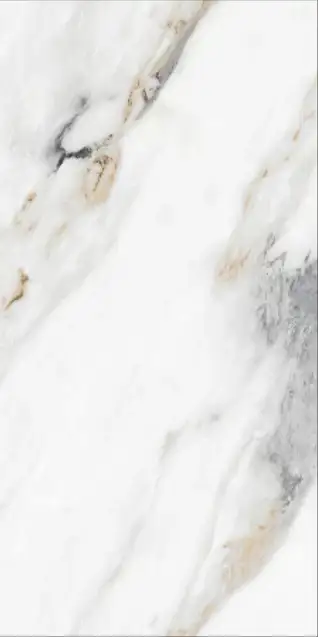
In Dewas, the terms "porcelain" and "vitrified" tiles are frequently used interchangeably by consumers and even some dealers, yet they possess distinct technical differences. While porcelain universally dominates global tile markets, the terminology in India, particularly from manufacturing hubs like Morbi, varies based on marketing strategies and performance specifications. This distinction is crucial for buyers in Dewas, whether they are selecting tiles for a new apartment in the city center or a sprawling villa on the outskirts, as it directly impacts durability, application, and overall investment value, catering to the city's diverse construction needs.
Global Terminology vs Indian Market Terminology
The distinction between porcelain and vitrified tiles often varies significantly depending on whether one refers to global industry standards or the terminology prevalent in the Indian market. Understanding these differences is crucial for any tile buyer in Dewas to make an informed decision, especially when comparing products from various manufacturers and suppliers.
How the World Defines Porcelain
Internationally, the tile industry predominantly uses the term porcelain tile, with the word vitrified rarely appearing in global markets. Tiles are primarily classified based on stringent technical performance standards, most notably their water absorption rates. This global standard ensures a consistent quality benchmark across different countries. For Dewas buyers, understanding this global context helps in evaluating imported products.
- Porcelain tiles must adhere to a water absorption rate below 0.5%.
- Density, precise firing temperature, and a compact structure are key factors defining this classification.
- Vitrification is understood as an integral part of the manufacturing process, not a separate retail category.
In essence, worldwide standards universally recognize low-absorption tiles as porcelain; there is no distinct marketing category specifically termed "vitrified." This clear definition simplifies international trade and specification for architects working on projects in Dewas.
How India (Especially Morbi) Uses These Terms
In India, the terminology has evolved differently due to local manufacturing practices and market dynamics. Morbi, Gujarat, the major hub responsible for producing nearly 95% of India’s tiles, employs both terms with varying connotations, often depending on product positioning and target markets. This creates a unique lexicon within the Indian tile industry that buyers in Dewas need to navigate.
- Porcelain tiles in the Indian market often exhibit water absorption between 2%–5%.
- Vitrified tiles are typically characterized by a much lower water absorption, ranging from 0.5%–0.05%.
- Dealers in Dewas often use "vitrified" to signify higher density and superior performance characteristics.
- Manufacturers may apply different labels to products for domestic consumption versus export markets, further adding to the local specific terminologies for tiles in Dewas.
This dual terminology, specific to the Indian market, can indeed create confusion for buyers in cities like Dewas who are trying to ascertain the true quality and suitability of tiles for their projects. Tile preview designs might not show this technical difference.
Water Absorption: The Real Technical Benchmark
The water absorption percentage stands as the most critical parameter for technically distinguishing between tile performances. This metric directly correlates with a tile's density, strength, and overall durability, making it an indispensable factor for discerning buyers in Dewas. Lower water absorption means higher resistance to moisture and enhanced longevity, crucial for Dewas's climate.
Porcelain (Common Indian Market Context)
Within the common Indian market context, porcelain tiles typically exhibit a water absorption rate between 2%–5%. These tiles are moderately dense and are generally suitable for indoor residential spaces with light to moderate traffic. They are often available in a wide range of matte finishes and are considered a cost-effective option for various applications in Dewas homes. This makes them a popular choice for budget-conscious homeowners.
- Water absorption: 2%–5%
- Moderately dense
- Suitable for indoor residential spaces in Dewas
- Often available in matte finishes
- Cost-effective option
These tiles perform adequately for bedrooms, light-use living rooms, and kitchens in many Dewas homes, offering a balance of affordability and functionality for everyday living. They are a common sight in rental properties and smaller apartments.
Vitrified Tiles
Vitrified tiles boast a significantly lower water absorption rate, ranging from 0.5% down to 0.05%. This makes them exceptionally dense and compact, providing superior resistance to stains and moisture. They are available in a broad spectrum of finishes, including polished glossy, matte, and high gloss, and are renowned for their enhanced strength under heavy loads. For Dewas projects, vitrified tiles are a premium choice. 600x600 tile designs are commonly vitrified.
- Water absorption: 0.5%–0.05%
- Extremely dense and compact
- Highly resistant to stains and moisture
- Available in wide finishes like polished Glossy, Matte, High Gloss
- Stronger under heavy loads
- Better suited for commercial use
The lower absorption rate of vitrified tiles means fewer pores, which directly translates to improved durability, superior stain resistance, and enhanced structural strength, making them ideal for demanding environments in Dewas. This makes them a reliable, long-term solution for high-traffic areas.
Why Water Absorption Matters
For buyers in Dewas, understanding the water absorption specifications provides real clarity beyond just the product label. It's a direct indicator of the tile's inherent quality and suitability for specific applications in your home or commercial space. This technical detail empowers informed purchasing decisions, ensuring longevity and performance. Floor tiles design varies with absorption.
- Lower absorption = higher density
- Higher density = better strength
- Better strength = longer lifespan
For Dewas buyers, instead of solely focusing on the label, asking for the water absorption specifications offers genuine clarity regarding the tile's performance and appropriate use. This simple question can clarify the true quality of a tile.
Size-Based Market Reality in Dewas
The size of a tile frequently influences whether a product is marketed as porcelain or vitrified in Dewas. This market reality is shaped by manufacturing efficiencies, demand patterns, and the specific application areas for various tile dimensions. Understanding this correlation can help buyers anticipate the likely properties of tiles based on their dimensions when shopping in Dewas.
400x400 & 500x500 Tiles
Tiles in sizes 400x400 mm and 500x500 mm are predominantly produced as porcelain in the Dewas market. Their water absorption typically falls within the 2–5% range, placing them in the budget-friendly category. These smaller formats are primarily suitable for bedrooms and rental properties, where cost-effectiveness and moderate durability are key. Manufacturers rarely produce vitrified tiles in these small formats due to pricing sensitivity and prevailing demand patterns in Dewas.
600x600 Tiles
The 600x600 mm tile size is widely popular in Dewas homes and is available in both porcelain and vitrified variants, creating the most significant market confusion. While matte surface tiles in this size are commonly porcelain, polished glossy and double-charged options are frequently vitrified. This versatility makes it a go-to size for various applications, from living rooms to kitchens, depending on the specific finish and manufacturing process. Living room tile design ideas often feature this size.
600x1200 and Larger Formats
For 600x1200 mm and larger format tiles in Dewas, polished glossy, high glossy, and full colour body tiles are typically available with a vitrified body. For matte and carving matte surfaces, both vitrified and porcelain options can be found. These tiles feature lower water absorption and belong to the premium segment, ideal for living rooms, commercial spaces, and showrooms. Large formats demand higher structural integrity, which aligns perfectly with vitrified production standards, ensuring a luxurious and durable finish.
Performance, Strength & Practical Usage in Dewas
The practical usage of tiles in Dewas homes and commercial spaces is ultimately determined by their performance characteristics, particularly strength and durability. Selecting the right tile type—whether porcelain or vitrified—ensures optimal functionality and longevity for specific applications, aligning with the city's diverse needs and environmental conditions.
Residential Usage
For standard homes in Dewas, tile selection varies by room to optimize performance and cost-effectiveness. Porcelain is generally sufficient for bedrooms, offering a good balance of aesthetic and durability for low-traffic areas. For kitchens, either porcelain or vitrified tiles can be suitable, depending on the anticipated usage and moisture levels. However, for living rooms, vitrified tiles are preferred due to their higher durability and elegant finishes. In bathrooms, low absorption tiles are highly recommended to combat moisture, and for outdoor areas, vitrified tiles are the best choice to withstand Dewas's climate. Tile mockups help visualize these choices.
Commercial & Heavy Traffic Usage
For commercial spaces in Dewas such as shops, offices, clinics, and parking areas, vitrified tiles are strongly recommended. These environments experience heavy footfall and require flooring with superior load-bearing capacity and higher scratch resistance. Vitrified tiles offer improved long-term durability, ensuring that commercial spaces maintain their pristine appearance and withstand intense wear and tear over many years, providing a robust and reliable solution for businesses in Dewas.
Cost Consideration
In Dewas, porcelain tiles are generally more budget-friendly, making them an attractive option for projects with tighter financial constraints. Vitrified tiles, while slightly more expensive due to their higher firing temperature and density, often justify the investment through their superior long-term durability in high-use areas. For rental properties or budget housing projects in Dewas, porcelain remains a popular choice due to its affordability and adequate performance for moderate residential traffic. Tile selection tool can help with cost comparison.
Why Terminology Confusion Continues
The ongoing terminology confusion surrounding porcelain and vitrified tiles in Dewas is deeply rooted in manufacturer-level differences and dealer-level marketing strategies. This complexity often makes it challenging for consumers to distinguish between the two types accurately, leading to potential misunderstandings regarding product specifications and applications. A clear explanation is essential for informed decision-making in the Dewas market.
Manufacturer-Level Differences
Morbi manufacturers, the primary source of tiles for Dewas, often use porcelain terminology widely while labeling products differently for export markets to align with global standards. Domestically, they differentiate vitrified tiles for premium positioning, signifying higher quality and performance. This internal market segmentation contributes to the unique local terminology, where a tile might be called porcelain for one market segment and vitrified for another, even if the underlying technical differences are minor or non-existent for Dewas consumers.
Dealer-Level Marketing
Dealers in Dewas often contribute to the confusion by promoting vitrified tiles as a premium option to emphasize their superior qualities. They might also use the term porcelain to simplify explanations for customers. Their marketing strategies often focus more on pricing than on intricate technical parameters, leading to situations where the same tile could be referred to as porcelain in one showroom and vitrified in another. This highlights the need for buyers in Dewas to ask precise technical questions rather than relying solely on labels.
The Technical Truth
In simple terms, all vitrified tiles are technically a type of porcelain (because they undergo the vitrification process). However, not all porcelain tiles meet the low absorption standards typically associated with vitrified-level performance in India. The differentiation observed in India, particularly in markets like Dewas, is largely driven by marketing strategies rather than globally standardized technical definitions. This nuanced understanding is key for making informed choices.
Final Conclusion: What Dewas Buyers Should Really Ask
For Dewas buyers navigating the complexities of tile terminology, focusing on the essential technical specifications is paramount. This approach cuts through market jargon and provides clear, actionable information directly relevant to the tile's performance and suitability for your project. Asking the right questions ensures you get precisely what you need for your home or business in Dewas.
Instead of asking:
"Is this porcelain or vitrified?"
Ask:
"What is the water absorption percentage?"
Because that single number effectively determines:
- Strength
- Durability
- Stain resistance
- Suitable application
- Long-term performance
For residential homes in Dewas, porcelain tiles generally work well for normal residential needs, offering a good balance of cost and functionality. However, for high-traffic areas, commercial applications, or projects demanding superior long-term durability, vitrified tiles are undeniably the better choice dueas to their enhanced properties. Understanding the science behind the terminology empowers buyers in Dewas to make truly informed decisions, rather than relying solely on potentially misleading market labels, ensuring a successful and lasting tile installation.
Vitrified vs Porcelain Tiles Showroom and Dealer in dewas
House of Johnson Tiles & Sanitaryware Experience Centre - Dewas
Contact: +91 +91 80 3790 8141
H & R Johnson Ltd.
Contact: +91 +91 1800 22 7484
S R Stone World and Building Material's
Contact: +91 +91 97131 21731
-9f831d48-b3bd-4701-a2a1-136f1cbd1251.jpg)