Red Tiles In Deeg: The Feature Wall, Vastu, The "Rug" Effect & Trending shades
Loading designs...
-
 W Evans 05
 -
 3602
3602 -
3609
-
3611
-
Opal 03
-
Ruby 04
-
5012
-
5901
-
Elise 06
-
Castel 03
-
Madrid 14
-
Lisa 03
-
Tokyo 06
-
Lisa 11
-
Spring 04
-
Spring 05
-
Valencia 11
-
10017
-
Rock 05
-
6514
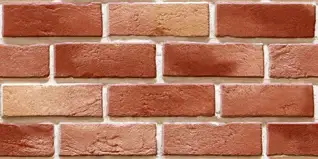

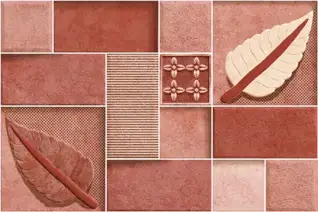
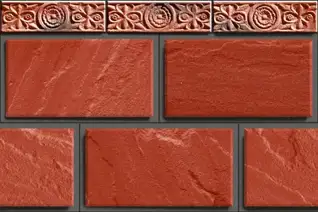
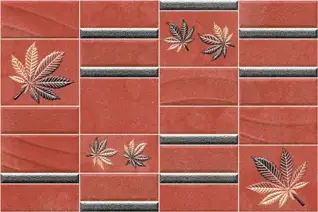
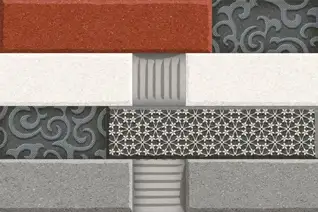
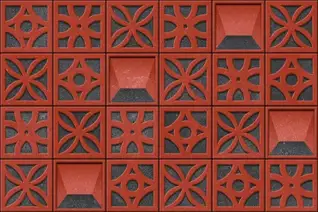
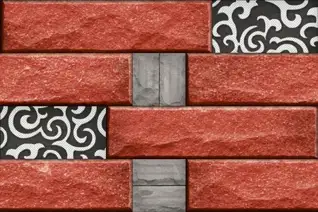
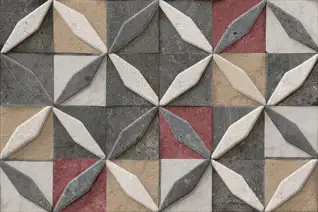
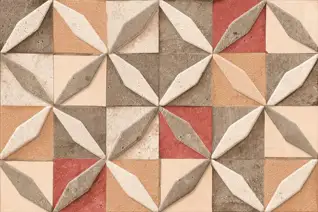
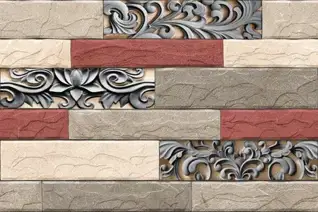
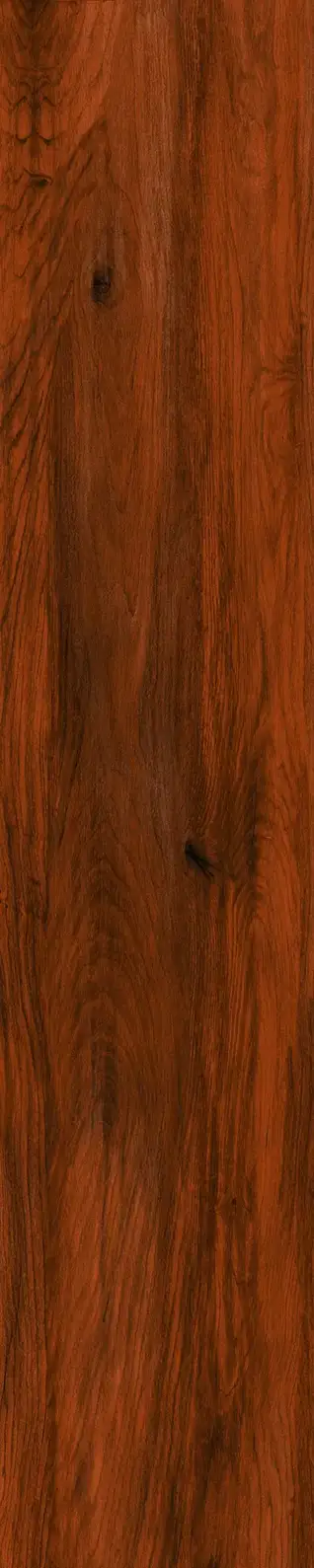
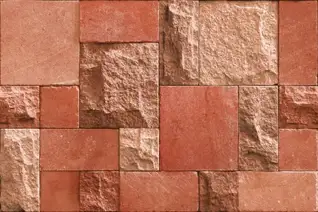
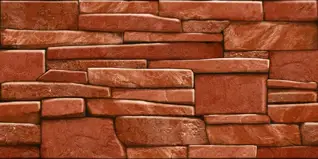
In Deeg, red flooring is a bold declaration of energy and tradition. While modern trends often lean towards neutrals, red tiles remain a timeless choice for those seeking to infuse warmth, royalty, and Vastu-compliant energy into their homes. Whether it's the rustic charm of Terracotta or the deep luxury of Maroon, red is a color that commands attention, reflecting the vibrant culture of the city.
Red Feature Walls: Using "Highlighter" Tiles for Bold Impact
Painting or tiling an entire room in red can feel overwhelming and claustrophobic. The secret to successfully using red in Deeg homes is the "Highlighter" concept, applying it to just one focal surface. This technique creates a dynamic visual impact without sacrificing the spaciousness of a room, perfectly suited for accentuating key areas.
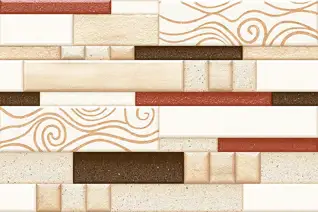
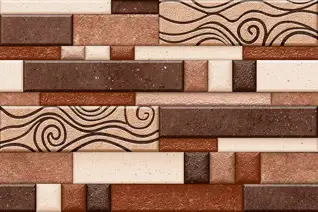
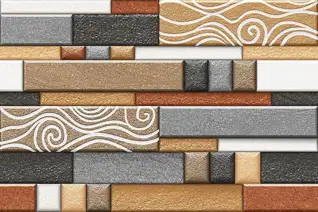
- The Focal Point: In living rooms, use Red Mosaic or 3D Brick tiles on the wall behind the TV unit or the sofa. This immediately draws the eye, creating a dynamic energy without shrinking the room, a popular choice in modern Deeg apartments aiming for a bold statement.
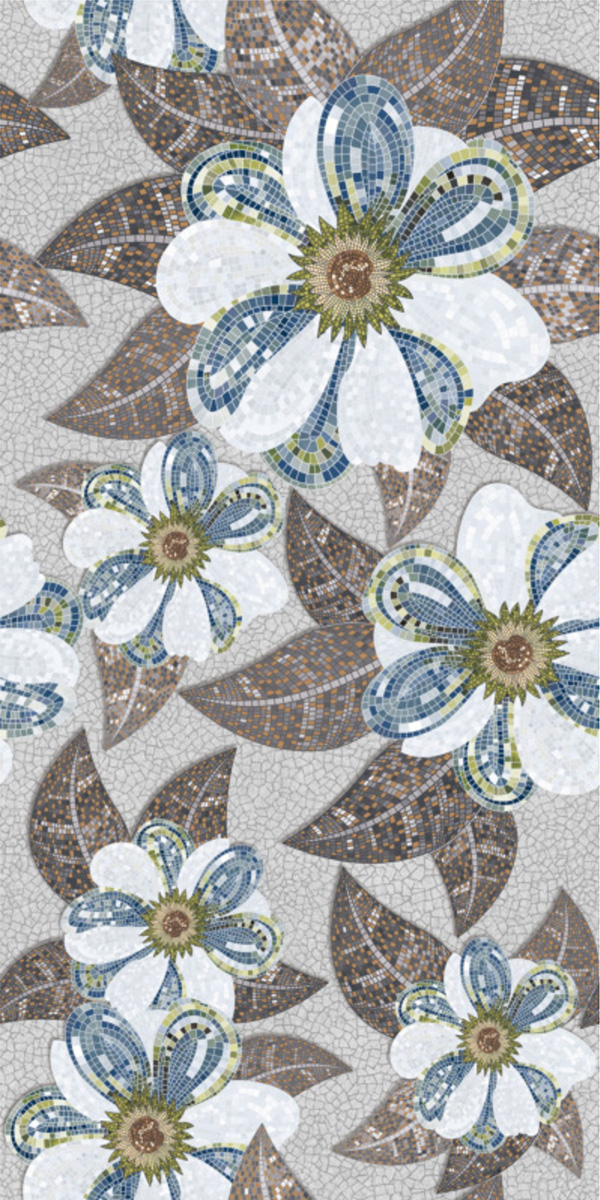
- Trending Floral Patterns: Currently, large-format flowers and 3D rose effects are heavily trending in the Deeg and Bharatpur tile markets for highlighters. Using a continuous red floral tile pattern on a bedroom wall or bathroom vanity gives the luxurious, soft look of designer wallpaper, but with the waterproof durability of a tile, ideal for the local climate.
- The Puja Room: In Deeg, the Puja room is a sacred space. Using Om-printed red tiles or Saffron-hued glossy tiles as a backdrop enhances the spiritual vibration, creating a glowing, spiritual focal point that commands reverence. This is especially popular in traditional homes across the Deeg-Bharatpur belt, connecting to deep cultural roots.
- Design Rule: When using a red highlighter wall, keep the adjacent walls Cream, Beige, or Off-White. This contrast ensures the red pops vividly rather than clashing with other bright colors, creating a harmonious and aesthetically pleasing interior in Deeg.
Vastu Shastra for Red Tiles: Balancing Energy in the South Direction
For many homeowners in Deeg, the direction of a room dictates the color of its floor, adhering to ancient principles. Red, being the color of the Fire Element (Agni), plays a critical role in Vastu Shastra, influencing the energy flow within a home and impacting the well-being of its residents.
- The South Zone: The South direction governs fame, recognition, and strength. Installing Red or Maroon flooring in the South or Southeast zone activates the Fire element, potentially boosting the occupant's social standing and confidence, a traditional belief widely followed in Deeg homes.
- Where to Avoid: Never use red tiles in the North or North-East zones of a Deeg home. These are Water zones. Fire (Red) and Water clash, which Vastu experts believe can lead to financial instability or health issues, thus caution is advised in these areas.
- The Bedroom Caution: Avoid bright red flooring in the master bedroom in Deeg. Red is a high-energy "stimulant" color that can disrupt sleep and increase restlessness. If you love red, stick to earthy Terracotta or muted Rust shades for bedrooms, promoting a calmer environment.
The "Rug" Effect: Creating Virtual Carpets with Red Floor Borders
One of the most sophisticated uses of red tiles in Deeg is creating a "Virtual Rug" or floor inlay. This technique adds the luxury and visual appeal of a Persian carpet without the maintenance hassles of fabric, offering a practical yet elegant solution for contemporary homes and traditional Havelis alike.
- How it Works: Instead of laying the same tile wall-to-wall, use a Red Border Patti (4-inch strip) or a block of Red Patterned Tiles in the center of the room to define a specific area, usually under the dining table or the coffee table. This method is gaining popularity in Deeg for its unique aesthetic.
- The Benefit: This "Rug Effect" visually anchors your furniture, creating a dedicated "zone" for dining or sitting, making a large open hall feel organized and cozy. Unlike a real carpet, this "tile rug" doesn't trap dust and can be mopped daily, a significant advantage in Deeg's dusty environment.
- The Look: Pair a Cream or Italian Beige base floor with a deep Maroon Border. This classic combination mimics the look of heritage palaces and Havelis, bringing a sense of royal grandeur to modern Deeg homes. You can visualize this with tile mockups.
Trending Red Shades in Deeg: Terracotta, Maroon & Brick
Red is a highly versatile color, and in the local Deeg market, three distinct variations are currently trending, each serving a different aesthetic purpose. These shades cater to diverse design preferences, from rustic charm to modern industrial looks, ensuring there’s a red tile for every home or project in Deeg.
- Terracotta (The Earthy Choice):
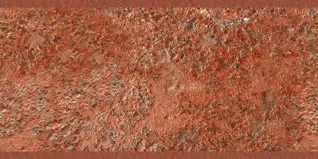
- The Look: A matte, brownish-red that looks like baked clay.
- Best For: Porches, balconies, and roofs in Deeg. It is heat-resistant and hides dust effectively, making it perfect for outdoor areas exposed to Rajasthan's harsh sun and dust.
- Maroon (The Royal Choice):
- The Look: A deep, purplish-red, often available in high-gloss.
- Best For: Drawing room borders or kitchen slabs in Deeg. It exudes luxury and pairs beautifully with gold accents, creating an opulent feel reminiscent of traditional Rajasthani royalty.
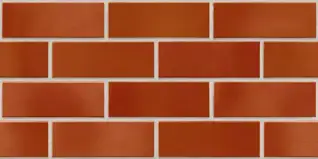
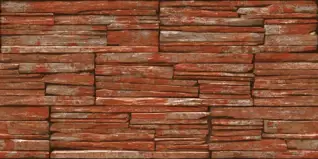
- Brick Red (The Industrial Choice):
- The Look: Textured cladding tiles that look like exposed masonry.
- Best For: Exterior elevation walls or garden areas in Deeg. It gives a rustic, "unfinished" modern look that is very popular in new constructions, offering durability and excellent dust concealment for outdoor spaces. You can find inspiration from tile preview designs.
Red tiles showroom and dealer in deeg
BALAJI MARBLE AND GRENITE DEEG
Contact: +91 80002 79710