

Compare Vitrified vs Porcelain Tiles in Chitrakoot: Designs, Sizes and Dealer Rates
Loading designs...
-
 KDT 209
 -
 11005
11005 -
3021 HL 1
-
Wenge Wood
-
20901-L
-
Badas Cyan
-
ROYAL BOTTOCHINO
-
ELE-1203
-
7068
-
ALPHAINE BLUE
-
Kempas
-
CR Endless Glam Grey(800x1600)
-
Biscuit
-
10018
-
10001 DK
-
Escros Bright (800 x 1600)
-
NEROLI SILVER
-
2383 HL 1
-
Zic Zak 01
-
Nor Gold(800x1600)
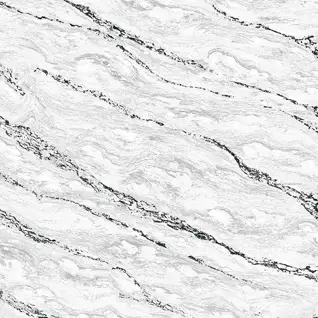

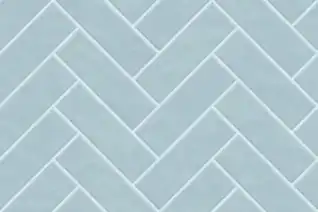


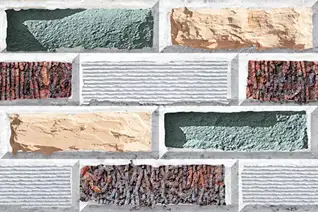
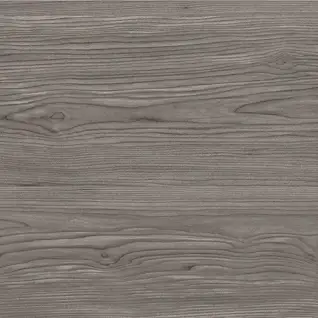


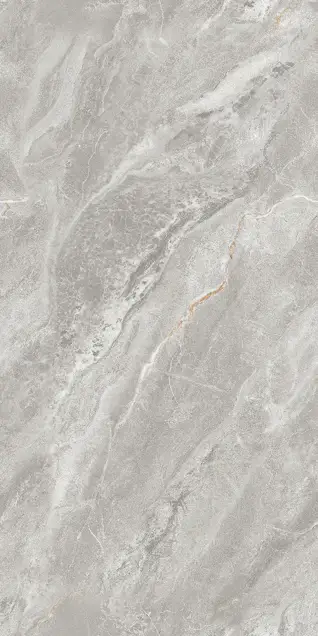



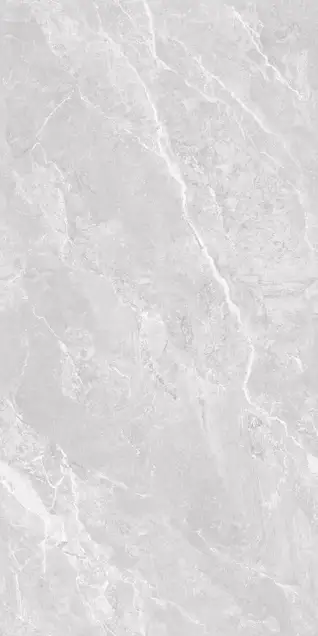
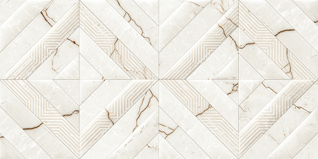
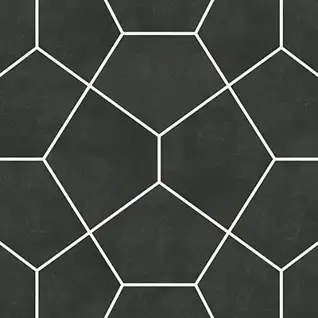
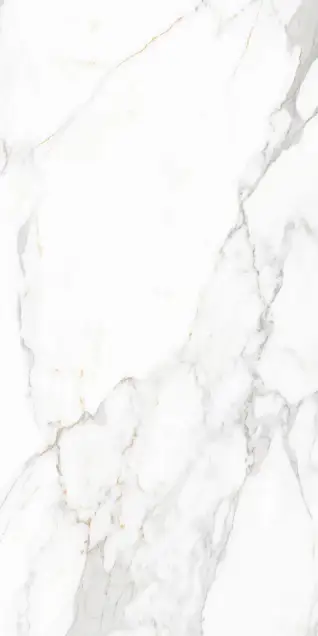
When selecting tiles in Chitrakoot, understanding the difference between vitrified and porcelain is important for lasting results. While globally "porcelain" often covers all low-absorption tiles, the Indian market, especially with its Morbi roots, defines them distinctly based on water absorption percentages. Buyers in Chitrakoot, where independent houses and government residential colonies are common, need to know these technical benchmarks to avoid wrong choices, particularly for areas exposed to the semi-arid climate and moderate humidity. This distinction impacts longevity and appearance, making it a critical consideration for new constructions and renovations.
Global Terminology vs Indian Market Terminology in Chitrakoot
Globally, any tile with water absorption below 0.5% is generally termed "porcelain," and "vitrified" describes the specific firing process that achieves this density. However, in Chitrakoot's market, influenced by Morbi manufacturing, these terms define distinct product categories. "Indian Market Porcelain" typically refers to tiles with 2% to 5% water absorption, having a medium density. These are often seen as budget-friendly options. In contrast, "Indian Market Vitrified" signifies tiles with 0.5% water absorption or below, indicating higher density and generally a more premium product. Homeowners planning living room tiles will find this distinction crucial for selecting the right material.
Water Absorption: The Real Technical Benchmark for Chitrakoot
For buyers in Chitrakoot, water absorption percentage stands as the definitive technical benchmark to differentiate between these tile types. Indian market porcelain tiles typically show 2% to 5% water absorption, making them medium density and suitable for low-traffic areas like bedrooms. Indian market vitrified tiles, on the other hand, boast 0.5% water absorption or less, signifying high density, which works well for living rooms and commercial floors. Full body vitrified tiles offer even lower absorption, often 0.05% or below, providing very high density for heavy commercial use. This technical detail is key for ensuring a tile's performance against Chitrakoot's climate, especially during monsoons.
Size-Based Market Reality in Chitrakoot
Tile sizes often correlate with the distinction between Indian market porcelain and vitrified offerings in Chitrakoot. Smaller sizes like 400x400 mm and 500x500 mm are predominantly Indian market porcelain, known for being budget-friendly and commonly used in more economical projects. For 600x600 mm (or 2x2) tiles, the market sees the highest confusion in terminology, with both categories being available. However, for larger formats such as 600x1200 mm (or 2x4) and above, especially those with polished glossy and full-body finishes, the tiles are consistently of vitrified-level quality. These larger sizes are popular for creating spacious tile design ideas in newer homes.
Performance and Practical Usage in Chitrakoot
In Chitrakoot's residential settings, the practical usage of these tiles varies based on the area's demands. Indian market porcelain tiles (2-5% absorption) are generally adequate for bedrooms or other areas with light foot traffic, where durability against moisture is not a primary concern. However, for high-traffic zones like kitchens, living rooms, and especially for any commercial premises, specifying vitrified-level tiles (below 0.5% absorption) is a must. Given Chitrakoot's semi-arid climate with distinct monsoon periods, anti-skid and low-absorption tiles are preferred for areas like bathroom tiles and outdoor spaces to manage moisture effectively.
What Chitrakoot Buyers Should Ask Instead of "Vitrified or Porcelain?"
Instead of asking if a tile is "vitrified" or "porcelain," buyers in Chitrakoot should directly inquire about its water absorption percentage. This direct question cuts through market terminology confusion and gets to the core technical specification. A practical way to assess this is to spray water on the unglazed back of a tile; if the water quickly soaks in, the absorption is higher (falling into the Indian market porcelain range). If the water beads and sits on the surface, it indicates vitrified-level absorption. This simple test helps ensure the tile meets the performance requirements for areas like marble look tiles in high-traffic zones.
Understanding Tile Prices in Chitrakoot
| Tile Type (Indian Context) | Size (mm) | Finish | Price Range (Rs./sq.ft) in Chitrakoot |
|---|---|---|---|
| Porcelain | 400x400, 500x500 | Satin Matte, Rustic | 40 - 55 |
| Vitrified (Standard) | 600x600 (2x2) | Polished Glossy, Sugar | 55 - 75 |
| Vitrified (Large Format) | 600x1200 (2x4), 800x1600 (32x64) | Polished Glossy, GHR | 70 - 105 |
| Full Body Vitrified | 600x600, 600x1200 | Matte, Lappato | 85 - 120 |
The price of tiles in Chitrakoot varies considerably based on type, size, and finish. Indian market porcelain tiles, especially in smaller formats like 400x400 mm, typically cost between Rs. 40 to Rs. 55 per sq.ft. These are often used for general flooring in budget-conscious projects or for bedroom tiles. Standard vitrified tiles, such as 600x600 mm, are priced from Rs. 55 to Rs. 75 per sq.ft, offering a balance of performance and cost. For larger vitrified formats, like 600x1200 mm, or for full body vitrified options, buyers can expect to pay Rs. 70 to Rs. 120 per sq.ft. These rates reflect the superior density and durability of vitrified products, particularly important for homes replacing traditional Kota stone or mosaic flooring. The tile market areas near the main bus stand or along key bypass roads are where many dealers cluster, offering these ranges.
For vitrified tiles in Chitrakoot, a typical water absorption rate is below 0.5%, making them highly dense and suitable for floors. Common sizes include 600x600 mm (2x2) and 600x1200 mm (2x4). Prices for vitrified tiles in Chitrakoot generally range from Rs. 55 to Rs. 120 per sq.ft, depending on size and finish, while Indian market porcelain might be Rs. 40 to Rs. 55 per sq.ft. These tiles come with a robust body, ideal for the semi-arid climate and moderate humidity of the region, complying with IS 15622:2006 standards for ceramic and vitrified tiles.
Most vitrified and porcelain tiles supplied to Chitrakoot originate from Morbi, Gujarat, which is a major manufacturing hub. These tiles are designed to withstand Indian climate conditions, including the monsoon season, making anti-skid or matte finishes a popular choice for outdoor and wet areas in Chitrakoot homes. Many buyers are upgrading from older mosaic or cement tiles, choosing vitrified options like GVT or Double Charge for their superior finish and ease of maintenance, especially for mid-rise apartments and independent houses.
Vitrified vs Porcelain Tiles Showroom and Dealer in chitrakoot
Rajasthan granite and tiles kajaria showroom
DREAMS PROJECTS LAND
Contact: +91 83186 83205
SHRI KAMADGIRI TILES AGL SHOWROOM
Contact: +91 99358 94800
-9f831d48-b3bd-4701-a2a1-136f1cbd1251.jpg)