

Reality Between Vitrified and Porcelain Tiles in chilakaluripeta: Understanding the Market Difference
Loading designs...
-
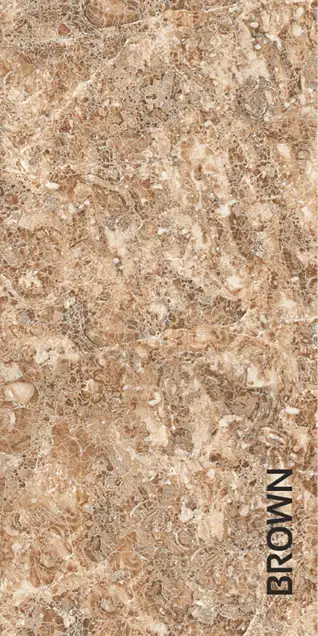 Classic Empredor Brown
 -
 6119
6119 -
Pantone Dalim Mint
-
10817-HL1
-
1120
-
17143
-
60120CL FLANT RECTENGULAR(END)
-
20825-L
-
20931-HL-2
-
Onyx Gold Wave
-
Navyat Dark
-
10823-HL1
-
1143
-
8004
-
Navona White
-
INDIGO MORROCCAN
-
20819-L
-
Patagonia Grey
-
Statuario Glanza
-
Anosa Natural









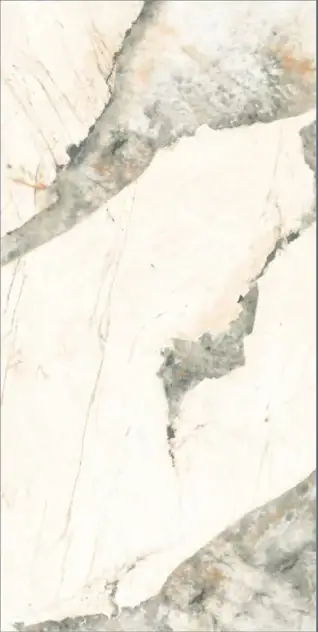


In Chilakaluripeta, porcelain and vitrified tiles are often used interchangeably in common parlance, yet they possess distinct technical differences. Globally, porcelain is the dominant term, while in India, particularly from Morbi, the terminology can vary due to marketing strategies and performance characteristics. This guide clarifies these distinctions, helping residents and builders in Chilakaluripeta make informed choices for their homes and commercial projects.
Global Terminology vs Indian Market Terminology
Understanding the varied terminologies for tiles is crucial for buyers in Chilakaluripeta, as global and Indian markets often use terms like 'porcelain' and 'vitrified' differently. This distinction impacts how tiles are marketed and perceived in local showrooms, influencing purchasing decisions for apartments, villas, and commercial spaces.
How the World Defines Porcelain
Internationally, the tile industry predominantly uses the term porcelain tile, with 'vitrified' rarely appearing in global markets. Tiles are classified based on stringent technical performance standards, most notably their water absorption rates. Globally, porcelain tiles must exhibit a water absorption rate below 0.5%, with density, firing temperature, and compact structure being key defining factors. Vitrification is understood as an integral part of the manufacturing process, not a separate retail category. Essentially, worldwide standards recognize low-absorption tiles as porcelain, without a distinct marketing category named vitrified, a fact useful for Chilakaluripeta buyers seeking international quality.
How India (Especially Morbi) Uses These Terms
In India, particularly from Morbi, Gujarat, the primary hub producing nearly 95% of the nation’s tiles, terminology has evolved uniquely. Both 'porcelain' and 'vitrified' terms are employed, often depending on product positioning and performance characteristics for the domestic market, including Chilakaluripeta. In the Indian market, porcelain tiles frequently have a water absorption rate between 2%–5%, while vitrified tiles are defined by a lower absorption rate of 0.5%–0.05%. Dealers commonly use 'vitrified' to denote higher density and superior performance, particularly for heavy-traffic areas like commercial spaces or public places. Manufacturers may label products differently for domestic versus export markets, leading to considerable confusion for buyers in cities like Chilakaluripeta. Many homeowners consult tile preview designs to understand visual differences.
Water Absorption: The Real Technical Benchmark
For buyers in Chilakaluripeta, the water absorption percentage stands as the most critical technical parameter for distinguishing tile performance and durability. This metric directly correlates with a tile's density, strength, and resistance to various environmental factors, making it a key indicator for selecting the right material for local climate conditions.
Porcelain (Common Indian Market Context)
In the common Indian market context, porcelain tiles typically have a water absorption rate of 2%–5%. They are moderately dense and well-suited for indoor residential spaces in Chilakaluripeta, such as bedrooms and light-use living rooms. Often available in matte finishes, they provide a cost-effective option for homeowners and builders. These tiles perform adequately for moderate residential traffic in apartments and villas, offering a balance of affordability and aesthetic appeal, although their higher absorption rate means they are less suitable for very wet areas. Many also consider marble look tiles design in porcelain.
Vitrified Tiles
Vitrified tiles are characterized by a significantly lower water absorption rate, ranging from 0.5% down to 0.05%. This makes them exceptionally dense and compact, offering high resistance to stains and moisture, crucial for Chilakaluripeta's varying humidity. They are available in a wide array of finishes, including polished glossy, matte, and high gloss, and are notably stronger under heavy loads. Vitrified tiles are better suited for commercial use, high-traffic residential areas like living rooms, and outdoor applications, providing superior long-term durability and performance for apartments, villas, and public places. Glossy tiles design are common in vitrified.
Why Water Absorption Matters
For Chilakaluripeta homeowners and commercial developers, understanding why water absorption matters is key to making a wise investment. Lower absorption directly translates to higher tile density, which in turn means better inherent strength. This enhanced strength contributes to a longer lifespan for the tiles, making them more resistant to wear and tear, moisture, and stains. Ultimately, lower absorption means fewer pores, leading to improved durability, stain resistance, and overall structural integrity, particularly important for ensuring longevity in the local climate, be it for a house, apartment, or railway station.
Size-Based Market Reality in chilakaluripeta
In Chilakaluripeta, the size of a tile often provides a practical indication of whether the product is primarily porcelain or vitrified. This market reality helps buyers navigate the diverse offerings in local showrooms, guiding them toward options best suited for their specific projects, from compact bathrooms to expansive living rooms in apartments and villas.
400x400 & 500x500 Tiles
Tiles in sizes 400x400mm and 500x500mm are predominantly produced as porcelain in Chilakaluripeta, typically featuring water absorption between 2–5%. These fall into a budget-friendly category, making them a popular choice for bedrooms and rental properties where cost-effectiveness is a priority. There is limited vitrified production in these smaller sizes, as manufacturers rarely produce vitrified options in these formats due to pricing sensitivity and prevailing demand patterns in the local market. Many prefer these for their bedroom tile design ideas.
600x600 Tiles
The 600x600mm tile size is widely available in both porcelain and vitrified variants in Chilakaluripeta, creating the highest degree of confusion in the market. Matte surface options are commonly porcelain, offering a practical and aesthetically pleasing choice for various spaces. Polished glossy and double-charged tiles in this size are often vitrified, providing enhanced durability and a premium finish. As the most popular size in Chilakaluripeta homes, this format caters to a broad spectrum of needs, from living rooms to commercial areas, and is often selected using tile mockups.
600x1200 and Larger Formats
For Chilakaluripeta's premium segment, tiles in 600x1200mm and larger formats are typically vitrified. Polished glossy, high glossy, and full-color body tiles are almost exclusively available in a vitrified body, ensuring superior performance and aesthetic appeal. For matte and carving matte surfaces, both vitrified and porcelain options exist, albeit with vitrified generally offering lower water absorption. These large formats are utilized in living rooms, commercial spaces, and showrooms, demanding higher structural integrity that aligns with vitrified production standards, reflecting a trend towards luxurious, seamless finishes in the city's upscale properties. 600x1200 tile ideas are common for large spaces.
Performance, Strength & Practical Usage in chilakaluripeta
When selecting tiles in Chilakaluripeta, considering their performance, strength, and practical usage is crucial to ensure longevity and suitability for specific applications. The city's diverse building landscape, from residential apartments to bustling public places, demands careful material choices to withstand local conditions.
Residential Usage
For standard homes in Chilakaluripeta, the choice between porcelain and vitrified tiles can be tailored to specific areas. Porcelain tiles are generally sufficient for bedrooms, offering a balance of aesthetics and affordability. For kitchens, either porcelain or vitrified can be used, with vitrified offering greater stain resistance. Living rooms often benefit from the enhanced durability of vitrified tiles, while low-absorption options are recommended for bathroom floors due to moisture. For outdoor areas like balconies or terraces, vitrified tiles are preferred for their weather resistance, ensuring longevity in the local climate. Living room tile design ideas often favor vitrified.
Commercial & Heavy Traffic Usage
For commercial spaces in Chilakaluripeta such as shops, offices, clinics, and parking areas, vitrified tiles are strongly recommended. They offer superior load-bearing capacity, which is essential for heavy footfall and vehicle traffic in commercial establishments. Their higher scratch resistance ensures durability, while improved long-term performance makes them a cost-effective choice despite a slightly higher initial investment. Commercial spaces, including industrial areas and public places like railway stations, benefit immensely from the robustness and low water absorption of vitrified tiles, ensuring they stand up to rigorous daily use.
Cost Consideration
In Chilakaluripeta, porcelain tiles are generally more budget-friendly, making them a popular choice for cost-sensitive projects and rental housing. Vitrified tiles, while slightly more expensive due to higher firing temperatures and greater density, often justify their investment through long-term durability, particularly in high-use areas. For rental or budget housing projects in Chilakaluripeta, porcelain remains a go-to due to its affordability, offering a good balance between cost and acceptable performance for residential applications. tile stores chilakaluripeta offer both options.
Why Terminology Confusion Continues
The confusion surrounding 'porcelain' and 'vitrified' tile terminology persists in Chilakaluripeta due to a blend of manufacturing practices and marketing strategies. This often leaves consumers perplexed when trying to differentiate between products in local showrooms, despite their functional differences.
Manufacturer-Level Differences
Morbi manufacturers, the heart of India's tile production, widely use porcelain terminology but often label products differently for export versus domestic markets. They differentiate vitrified tiles for premium positioning within India, including Chilakaluripeta, highlighting their superior properties. This dual labeling strategy can make it challenging for buyers to understand the true technical specifications of the tiles they are considering, creating an inconsistent naming convention across the industry.
Dealer-Level Marketing
Tile dealers in Chilakaluripeta often contribute to the terminology confusion through their marketing approaches. They might promote vitrified tiles as a premium option, emphasizing their higher quality, while using 'porcelain' to simplify explanations or to position a product within a different price bracket. It's not uncommon for the same tile to be referred to as porcelain in one showroom and vitrified in another, driven more by sales tactics than by strict technical definitions, making informed decisions harder for consumers.
The Technical Truth
In simple terms, for Chilakaluripeta buyers, all vitrified tiles are technically porcelain because the vitrification process is inherent in their manufacturing. However, not all porcelain tiles meet the low water absorption standards that define vitrified-level performance. The distinction often made in India is more marketing-driven than globally standardized, focusing on enhanced durability and density. This technical nuance is crucial for selecting tiles that will perform optimally in specific environments, from residential apartments to high-traffic commercial spaces. Tile mockups can visually clarify differences.
Final Conclusion: What chilakaluripeta Buyers Should Really Ask
For buyers in Chilakaluripeta navigating the tile market, the key to making an informed decision lies in asking the right questions, moving beyond generic labels. This approach ensures you select tiles perfectly suited to your specific needs and the local climate, whether for a home, apartment, or commercial building.
Instead of merely asking, "Is this porcelain or vitrified?" it is far more effective to ask, "What is the water absorption percentage?" This single, critical number directly determines the tile's strength, durability, stain resistance, and ultimately, its most suitable application and long-term performance in Chilakaluripeta's conditions. For general residential needs in Chilakaluripeta, porcelain tiles often work well, offering a balance of aesthetics and value. However, for high-traffic areas, commercial spaces, or requirements demanding long-term durability and minimal maintenance, vitrified tiles are unequivocally the superior choice. Understanding the science behind the terminology empowers buyers to make truly informed decisions, rather than relying solely on market-driven labels or common misconceptions in the city's bustling building materials market.
Vitrified vs Porcelain Tiles Showroom and Dealer in chilakaluripeta
Sri Guru Raghavendra Tiles And Sanitary Stores
Contact: +91 +91 92464 56476
J.K. Tiles & Sanitary
Contact: +91 +91 98852 37080
-9f831d48-b3bd-4701-a2a1-136f1cbd1251.jpg)