Skirting Tiles In Bundi: Usage, Benefits & Cost
Loading designs...
-
 KDT 209
 -
 11005
11005 -
3021 HL 1
-
Wenge Wood
-
20901-L
-
Badas Cyan
-
ROYAL BOTTOCHINO
-
ELE-1203
-
7068
-
ALPHAINE BLUE
-
Kempas
-
CR Endless Glam Grey(800x1600)
-
Biscuit
-
10018
-
10001 DK
-
Escros Bright (800 x 1600)
-
NEROLI SILVER
-
2383 HL 1
-
Zic Zak 01
-
Nor Gold(800x1600)
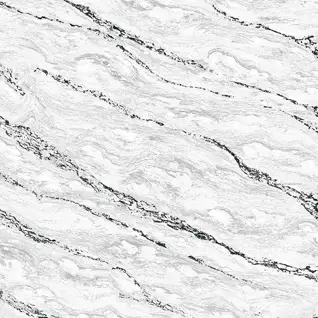


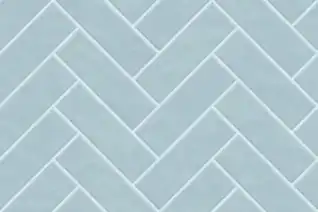


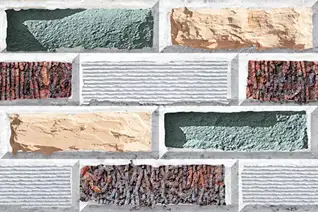
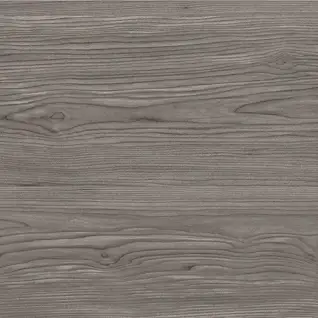


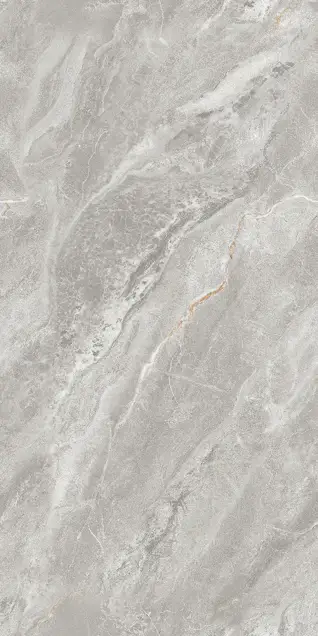






Skirting tiles, the essential 4-inch tile border at the base of your walls, are indispensable for homes in Bundi. Far from being merely a decorative frame, they serve as a critical structural shield, protecting your walls from daily mopping damage and expansion cracks, especially vital given the region's climate. In Bundi's diverse housing, from traditional havelis to modern apartments, skirting ensures both aesthetic continuity and functional durability. This detail-oriented guide delves into their structural importance, practical advantages, and cost considerations, helping Bundi residents make informed decisions to preserve their interiors and enhance the longevity of their properties.
The Structural Usage: Hiding Expansion Gaps and Uneven Edges
Many homeowners in Bundi may not fully grasp the primary structural purpose of skirting: concealment. When laying floor tiles, masons must leave a slight expansion gap (3mm to 5mm) between the floor tile edge and the wall. This gap is crucial in Bundi's climate, preventing tiles from buckling due to thermal expansion in summer heat. Skirting tiles are installed over this gap, neatly hiding the joint while allowing the floor to naturally shift. Additionally, skirting acts as a clean visual boundary, covering up any wavy or uneven plasterwork at the bottom of the wall, a common issue in older or newly constructed Bundi homes, ensuring a flawless finish. For those seeking fresh perspectives, exploring "modern tile designs" can offer new inspiration.
The Daily Defence Benefit: Protecting Walls from Mopping (Pochha) Damage
This is arguably the most significant practical benefit for households in Bundi, where daily wet mopping ('pochha') is essential to combat the city's often dusty winds. Without skirting, a wet mop repeatedly splashes against the bottom of painted walls, which are not designed for constant water exposure. This absorption leads to rising dampness ('seelan'), causing expensive wall paint to bubble, flake, and peel over time. A 4-inch tile skirting acts as an impenetrable, waterproof shield, taking the brunt of the wet mop and keeping your walls pristine. This protection is vital for maintaining the longevity and aesthetic appeal of homes across Bundi, from bustling city areas to quieter residential neighborhoods. For those looking to explore options, "tile preview designs" can provide inspiration.
Hygiene & Maintenance Benefits: Keeping Corners Dust-Free
The 90-degree corner where a bare floor meets a bare wall is a notorious magnet for dirt and dust in Bundi homes. Skirting significantly improves hygiene and maintenance. Dust, pet hair, and spider webs naturally accumulate in these corners, and sweeping against a rough painted wall can leave unsightly broom marks. A smooth, glossy, or satin skirting tile allows the broom to glide effortlessly, making daily cleaning faster and more hygienic for Bundi residents. A growing trend in modern Bundi duplexes is 'Concealed' or 'Flush' skirting, where the tile is embedded flat into the wall. This eliminates the dust-catching ledge entirely, providing a premium, 100% dust-free finish and enhancing the sleek aesthetic of contemporary interiors. For those planning a project, "tile mockups" can help visualize the final look effectively.
Understanding Skirting Tile Cost in Bundi: Running Foot vs. Sq. Ft.
Tile pricing in Bundi can be complex; while floor tiles are sold by the square foot or box, skirting is calculated by the Running Foot (RFT). When budgeting for skirting in Bundi, homeowners have two main options. Option A involves cutting leftover floor tiles into 4-inch strips, which is cost-effective as you only pay the mason a labor charge per running foot for cutting and installation. However, the cut edge will be sharp. Option B is to buy ready-made, factory-finished skirting tiles. These offer luxurious rounded, polished top edges (bullnose finish) and save on cutting labor, providing a flawless, high-end look. While more expensive and potentially harder to match with existing floor tiles, they ensure superior finish quality, aligning with the premium aesthetic sought in many Bundi properties.
Frequently Asked Questions (FAQs)
What is the standard height for skirting tiles in Bundi?
In Bundi, you’ll commonly find skirting heights of 3, 4, and 6 inches. The industry standard for most homes is 4 inches (100mm), offering an ideal balance of protection and aesthetics. A shorter 3-inch skirting is sometimes used for a subtle look, while the 6-inch option is rare, typically reserved for grand living rooms with high ceilings in Bundi.
Should my skirting match my floor tiles or my wall paint in Bundi?
Matching skirting to your floor tiles is the most popular choice in Bundi, creating the illusion that the floor extends up the wall, making the room appear larger. For a traditional 'border' effect, a contrasting color (e.g., black or dark brown skirting on a light floor) can be used, adding a bold statement to your Bundi home.
Can I use wooden skirting instead of tile skirting in Bundi?
While wooden skirting is aesthetically pleasing, it’s not recommended for ground-floor homes in Bundi. Real wood or MDF skirting will absorb water from daily wet mopping, leading to swelling and eventually attracting termites (deemak). Tile skirting, being waterproof and termite-proof, is a far more durable and practical choice for Bundi’s climate.
Is it necessary to put skirting behind heavy wardrobes in Bundi?
Yes, even if a wardrobe hides the wall, skirting is still necessary in Bundi to cover the structural expansion gap of the floor tiles. If you’re installing a fixed, built-in modular wardrobe, the carpenter will adjust the woodwork to fit around or over the skirting, ensuring structural integrity and a clean finish.
Skirting Tiles Showroom and Dealer in bundi
MAHESHWARI CERAMIC
Contact: +91 70143 28199
SHRI KRISHNA ENTERPRISES - Best floor, wall, kitchen & Bathroom Tiles
Contact: +91 98285 69079
Shreenath Marble Granites and Tiles
Contact: +91 90246 40899