

Compare Vitrified vs Porcelain Tiles in Bijnor: Designs, Sizes and Dealer Rates
Loading designs...
-
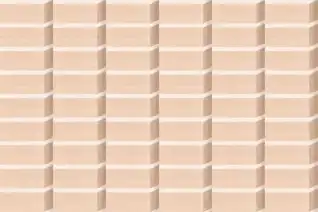 20933-L
 -
 20933-HL2
 -
20933-HL1
-
20933-D
-
20932-HL2
-
20932-HL1
-
20932-L
-
20931-HL-2
-
20931-HL-1
-
20931-L
-
20930-L
-
20930-HL-2
-
20930-HL-1
-
20930-D
-
20929-HL-2
-
20929-HL-1
-
20929-L
-
20928-L
-
20928-HL-2
-
20928-HL-1
















Choosing between vitrified and porcelain tiles in Bijnor involves understanding local preferences, climate, and the specific needs of residential or commercial projects. The market in Bijnor sees a mix of buyers upgrading from older flooring types and those building new, favouring options that offer both practicality and visual appeal. Vitrified tiles, known for their low water absorption and strength, are a common choice for high-traffic zones. Porcelain tiles, in the Indian context, offer a more budget-friendly option for areas like bedrooms. This page will help Bijnor buyers understand the critical differences, available sizes, and how to make the best selection for their construction needs, considering the area's semi-arid climate.
Global Terminology vs Indian Market Terminology in Bijnor
Globally, the term "porcelain" generally applies to any ceramic tile with a water absorption rate below 0.5%. However, in the Bijnor tile market, influenced by Morbi manufacturing conventions, "vitrified" and "porcelain" often refer to distinct product categories. Porcelain tiles, as understood by many local Bijnor dealers, typically have a water absorption between 2% to 5%. Vitrified tiles, on the other hand, consistently meet the stricter global definition of below 0.5% water absorption, sometimes even as low as 0.05% for full body variants. This distinction is crucial for buyers assessing durability for various applications in Bijnor homes and businesses, ensuring they get the right product for their specific requirements.
Water Absorption: The Real Technical Benchmark for Bijnor Tiles
For Bijnor buyers, the water absorption percentage is the most important technical specification when comparing vitrified and porcelain tiles. Indian market porcelain tiles typically exhibit 2% to 5% water absorption, making them suitable for less demanding areas such as bedrooms or light-traffic residential spaces in Bijnor. In contrast, Indian market vitrified tiles boast a significantly lower water absorption of 0.5% or below. This low absorption makes them ideal for high-traffic areas, kitchens, and living rooms, where spillages or moisture exposure are more common. For extreme durability and heavy commercial use, Full Body Vitrified tiles with absorption rates as low as 0.05% are the preferred choice, offering superior performance against wear and tear in Bijnor's commercial establishments.
Size-Based Market Reality in Bijnor
The Bijnor tile market sees varying availability of vitrified and porcelain tiles based on size, often leading to confusion. Smaller format tiles, such as 400x400 mm and 500x500 mm, are predominantly available as Indian market porcelain, presenting a more budget-conscious option for buyers. The 600x600 mm (2x2) size is a key crossover point; it is widely available in both vitrified and porcelain specifications, causing the most terminology mix-ups among Bijnor buyers. Larger formats, including 600x1200 mm (2x4) and even larger slab tiles, are almost exclusively manufactured to vitrified-level specifications, especially in polished glossy and full-body options, reflecting their application in more prominent spaces like living room tiles.
Performance and Practical Usage in Bijnor
When selecting tiles in Bijnor, practical usage scenarios should guide the choice between vitrified and porcelain. For residential spaces, Indian market porcelain tiles (2-5% absorption) are generally adequate for bedrooms or low-moisture areas where foot traffic is moderate. However, for kitchens, bathrooms, and living rooms, vitrified tiles (below 0.5% absorption) are a much better choice due to their superior resistance to water, stains, and wear. These characteristics are particularly beneficial in Bijnor’s semi-arid climate, where durability against dust and occasional humidity is important. Commercial spaces in Bijnor, whether retail outlets or offices, should always specify vitrified-level tiles for their floors to withstand heavy foot traffic and maintain appearance over time, ensuring longevity and safety with options like outdoor tiles.
What Bijnor Buyers Should Ask Instead of "Vitrified or Porcelain?"
To avoid confusion, Bijnor buyers should shift their focus from the generic terms "vitrified" or "porcelain" to more precise technical specifications. The most critical question to ask a dealer is: "What is the water absorption percentage of this tile?" This single metric clarifies the tile's density and suitability for different applications. A practical on-site test involves spraying a small amount of water on the unglazed back of a tile; if the water quickly soaks in, it indicates higher absorption (likely Indian market porcelain range). If the water beads up and sits on the surface, it signifies lower absorption, characteristic of vitrified-level tiles. This approach empowers Bijnor consumers to make informed decisions about their tile purchase, whether for kitchen tiles or other areas.
| Tile Type (Indian Market) | Water Absorption | Common Use in Bijnor | Representative Price Range (Rs./sq.ft) |
|---|---|---|---|
| Porcelain (Indian) | 2% - 5% | Bedrooms, light residential | 55 - 75 |
| Vitrified (Standard) | <0.5% | Living rooms, kitchens, commercial | 75 - 105 |
| Full Body Vitrified | <0.05% | Heavy commercial, outdoor | 95 - 135 |
The Bijnor tile market, known for its focus on functional and durable building materials, sees significant demand for vitrified tiles due to their low water absorption (typically below 0.5%) and high strength. These tiles, often in 600x1200 mm (2x4) or 600x600 mm (2x2) sizes, are a strong preference for replacing older mosaic or cement tiles in independent houses and mid-rise apartments, providing a modern upgrade that resists wear. Pricing for these dependable options in Bijnor generally falls between Rs.75-105/sq.ft for standard vitrified, offering a good balance of cost and performance consistent with IS 15622:2006 standards. Buyers in Bijnor also look at marble look tiles to find styles that work with this colour palette.
Tiles sourced from Morbi, Gujarat, form the backbone of Bijnor's tile supply, ensuring a steady stream of quality products suitable for the region's semi-arid climate. During the monsoon, the anti-skid properties of matte finish vitrified tiles become particularly important for outdoor and wet areas. Dealers near the main bus stand area or along the city's connecting roads often have comprehensive collections, helping Bijnor residents choose tiles that not only look good but also perform well against local weather conditions. tile design ideas are always popular.
Vitrified vs Porcelain Tiles Showroom and Dealer in bijnor
The Tiles Zone
Contact: +91 99908 85698
Century Hardware
Contact: +91 74097 77777
Karnwal Traders
Contact: +91 99270 24419
-9f831d48-b3bd-4701-a2a1-136f1cbd1251.jpg)