Trending Dholpuri Look Tiles in Barabanki-Nawabganj | Elevations & Colours
Loading designs...
-
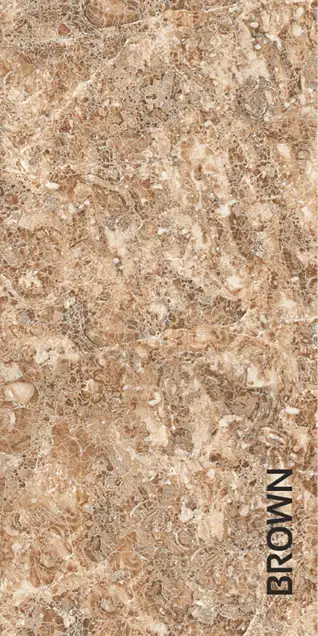 Classic Empredor Brown
 -
 6119
6119 -
Pantone Dalim Mint
-
10817-HL1
-
1120
-
17143
-
60120CL FLANT RECTENGULAR(END)
-
20825-L
-
20931-HL-2
-
Onyx Gold Wave
-
Navyat Dark
-
10823-HL1
-
1143
-
8004
-
Navona White
-
INDIGO MORROCCAN
-
20819-L
-
Patagonia Grey
-
Statuario Glanza
-
Anosa Natural
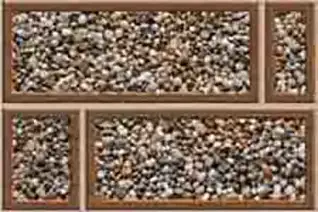
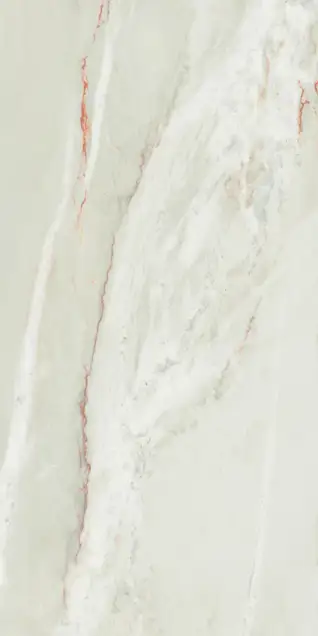
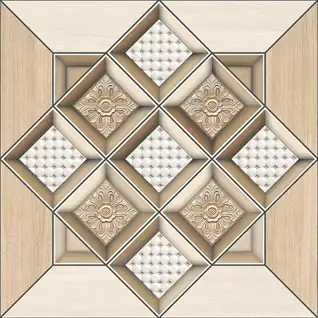
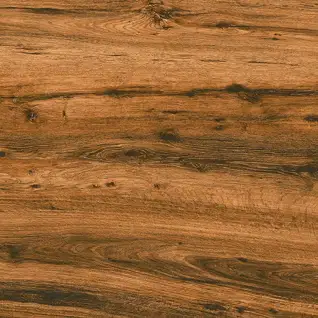
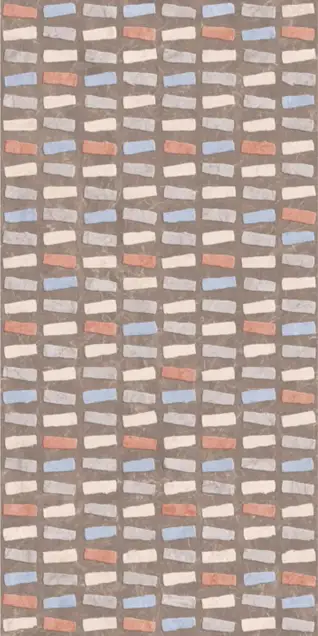



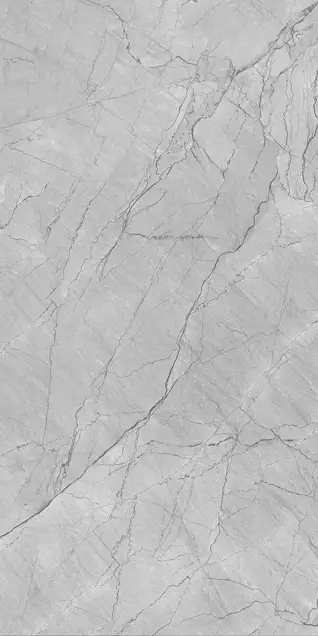
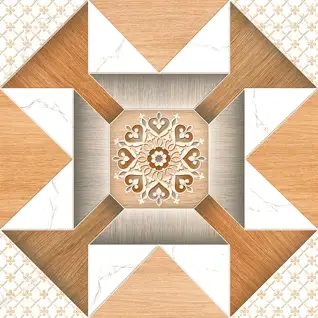

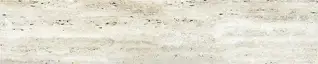
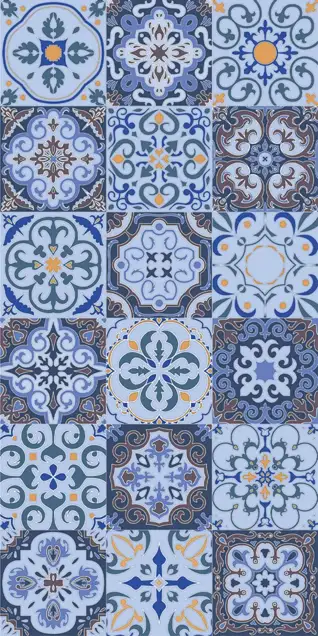
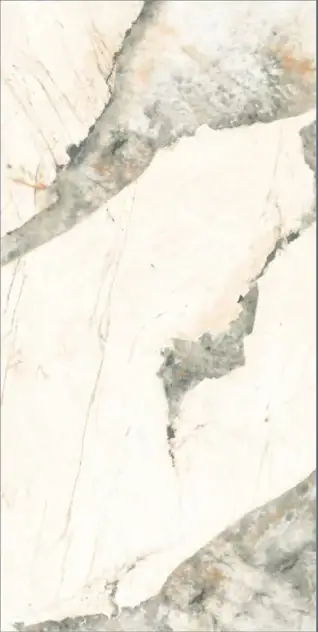

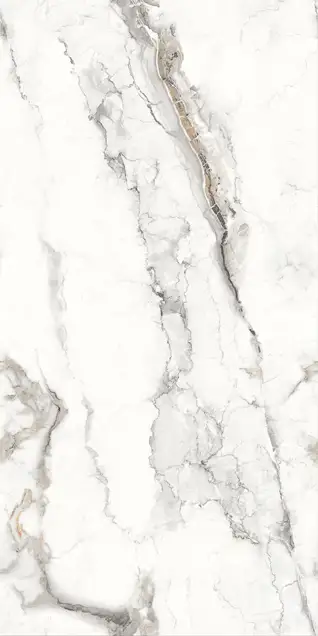
Dholpuri look tiles in Barabanki-Nawabganj connect to one of the most powerful architectural reference points in the Awadh region: the heritage sandstone aesthetic of Dholpur stone, the pale pink-buff quarried stone that built the palaces, gateways, and civic structures of Rajputana and Mughal India and remains one of the most visually distinctive natural stone faces in the subcontinent. In Barabanki-Nawabganj and the wider Uttar Pradesh context, a home with a Dholpur stone or Dholpuri-look elevation immediately signals quality, permanence, and architectural consciousness. The practical problem with natural Dholpur stone in Barabanki-Nawabganj is its porosity: natural sandstone absorbs monsoon rain like a sponge, developing green moss, black fungal staining, and white salt efflorescence within two to three years of installation, requiring expensive acid cleaning and periodic re-sealing. Dholpuri look ceramic and vitrified tiles replicate the chiselled sandstone texture, granular matte surface, and classic colour palette of natural Dholpur stone with near-zero water absorption, eliminating all the moisture-damage problems of the natural material while maintaining the architectural character completely.
Transforming Barabanki-Nawabganj Elevations with the Dholpuri Look
Architectural Impact on Barabanki-Nawabganj Home Elevations
Installing Dholpuri look tiles on front boundary walls, porch pillars, and main balcony facades in Barabanki-Nawabganj creates an immediate architectural elevation of the property's visual status. The dusty pink-sandstone palette connects to palatial heritage construction that is deeply embedded in regional architectural memory across Awadh. The result is a home elevation that reads as both rooted in regional heritage and contemporary in its clean tile execution. They are a good option for elevation tiles.
Texture and Light Interaction
High-quality Dholpuri tiles are not flat prints: they carry a rough, granular, matte texture that mimics the chiselled and hand-dressed surface of quarried Dholpur sandstone. When Barabanki-Nawabganj's strong afternoon sunlight hits the facade, these micro-textures create natural shadow variation across the surface, making the elevation look dynamic and three-dimensional rather than flat.
Strategic Placement for Maximum Impact
Full elevation cladding is one approach, but targeted use is equally effective and more economical. A vertical Dholpuri tile strip running floor to terrace level on one facade panel creates an illusion of height that makes a standard two-storey Barabanki-Nawabganj duplex look taller and more substantial. This stripe technique is one of the most cost-effective elevation upgrades available in the Barabanki-Nawabganj tile market. Buyers in Barabanki-Nawabganj also look at tile design ideas to find styles that work with this colour palette.
Classic Dholpuri Colours in the Barabanki-Nawabganj Market
Iconic Dholpur Pink
This is a classic subtle dusty pink most closely associated with Rajasthani heritage architecture, visible in the Agra Fort, Parliament House, and countless heritage structures across North and Central India. In Barabanki-Nawabganj, this is a widely purchased Dholpuri tile shade for traditional and semi-traditional home elevations. It pairs beautifully with stark white or ivory exterior wall paint, creating a clean contrast that maximises the pink's warmth.
Sandstone Beige (The Modern Choice)
For Barabanki-Nawabganj homeowners who want the Dholpuri texture and heritage character but prefer a more neutral, contemporary-compatible colour scheme, sandstone beige is a practical choice. The warm earthy desert tone camouflages Barabanki-Nawabganj's seasonal outdoor dust far more effectively than the pink variant, making it particularly practical for ground-level elevation panels and boundary walls that receive the most road dust exposure.
Deep Red and Terracotta
Used as a contrast border to lighter pink or beige panels, Dholpuri red creates a striking high-contrast elevation look. It is most commonly specified for lower boundary wall sections and entrance gateway pillars in Barabanki-Nawabganj where soil splash and tyre marks are most problematic. The deep red tone hides these marks effectively while creating architectural emphasis at the entry zone.
Why Dholpuri Tiles Outperform Natural Dholpur Stone in Barabanki-Nawabganj
The Monsoon Problem with Real Stone
Natural Dholpur sandstone has water absorption of 5 to 15% depending on quarry grade. In Barabanki-Nawabganj's monsoon season with concentrated June to September rainfall, this means the stone actively soaks up rainwater. Within two to three years, this trapped moisture causes green moss growth, black fungal staining, and white salt crystalline deposits (efflorescence) to appear across the elevation surface, requiring expensive acid washing and re-sealing that is difficult to source consistently in Barabanki-Nawabganj.
The Zero-Maintenance Tile Advantage
Ceramic and vitrified Dholpuri look tiles have water absorption below 0.5% per IS 15622:2006, or effectively near zero in the best vitrified variants. They completely block monsoon rainwater ingress. A Dholpuri tile elevation in Barabanki-Nawabganj will show no moss, no fungal staining, and no efflorescence regardless of monsoon intensity, because there is no porous surface for moisture to penetrate. Buyers in Barabanki-Nawabganj also look at matte finish tiles to find styles that work with this colour palette.
Easy Maintenance
Natural Dholpur stone in Barabanki-Nawabganj requires acid washing every three to five years and re-sealing to maintain its appearance. Dholpuri look tiles need only a water-hose spray to remove Barabanki-Nawabganj dry-season dust and look freshly washed.
Dholpuri Tile Dealer Guide in Barabanki-Nawabganj
Where to Find Dholpuri Tiles in Barabanki-Nawabganj
Ayodhya Road tile and building material dealers and Housing Development Colony hardware shops in Barabanki-Nawabganj are the primary source points for Dholpuri look elevation tiles. Because this is a specialty category, standard dealers may not carry large ready stock. Display panels and catalogue samples at Ayodhya Road dealers allow buyers to see the texture and colour before ordering.
Lead Time and Inventory Reality
Dholpuri look tiles are specialty exterior products. Most Barabanki-Nawabganj dealers display samples and order from Morbi warehouses or regional distribution hubs. Typical lead time for a confirmed order is 4 to 7 working days for standard designs. Confirm availability and lead time before planning the installation schedule.
The Batch Number Rule
This is a critical purchasing discipline for Dholpuri look tiles in Barabanki-Nawabganj. Natural stone-look tiles intentionally feature subtle shade variation to mimic the natural colour range of quarried stone. These shade variations differ between production batches. All boxes for a single elevation project must come from the same batch number. Always calculate the required total square footage for the complete elevation project and order 10% extra from the same batch to cover cutting waste. Running short and reordering from a new batch creates visible colour differences on the finished elevation.
Polymer Adhesive is Mandatory
Never allow a Barabanki-Nawabganj mason to install exterior Dholpuri cladding tiles using plain cement mortar. The thermal expansion of Barabanki-Nawabganj's 40+ degree summer surfaces and the thermal contraction of cold winter nights creates seasonal stress that eventually causes cement-fixed tiles to detach. Always specify polymer-modified tile adhesive designed for exterior vertical wall cladding for all Dholpuri tile installations in Barabanki-Nawabganj. Buyers in Barabanki-Nawabganj also look at terrace tiles to find styles that work with this colour palette.
Dholpuri Look Tile Prices in Barabanki-Nawabganj
| Tile Type | Price Range (Rs./sq.ft) | Notes |
|---|---|---|
| Basic Dholpuri Look Ceramic | Rs. 36 to Rs. 62 | IS 13630. Wall cladding use. |
| High-Depth Texture Ceramic | Rs. 52 to Rs. 88 | Better stone texture realism. Main elevation use. |
| Vitrified Dholpuri Look | Rs. 65 to Rs. 115 | IS 15622:2006. Best for outdoor durability. |
| Natural Dholpur Stone (reference) | Rs. 75 to Rs. 170+ | High maintenance, porous. Requires sealing. |
Note: Prices are Barabanki-Nawabganj market estimates excluding GST and local transport. Prices may vary slightly in Fatehpur, Haidergarh, and Ramnagar. Budget additionally for polymer-modified adhesive (Rs. 15 to Rs. 25 per sq.ft) and skilled mason labour (Rs. 32 to Rs. 68 per sq.ft for exterior wall cladding in Barabanki-Nawabganj).
For Barabanki-Nawabganj homes, Dholpuri look vitrified tiles (water absorption below 0.5%) are a durable and low-maintenance choice for elevations. Prices range from Rs. 36 to Rs. 115 per sq.ft, offering an appealing and cost-effective alternative to natural Dholpur stone.
These tiles, primarily from Morbi, Gujarat, are designed to withstand Barabanki-Nawabganj's hot and humid climate and heavy monsoon rainfall. They provide long-term protection against moss and efflorescence, maintaining the architectural character of independent houses and commercial buildings over decades.
Dholpuri Look Tiles Showroom and Dealer in barabanki-nawabganj
Akta Marbles & Grenite
Contact: +91 +91 80582 52351
Kajaria Tiles Authorised Showroom - Preet Industries
Contact: +91 +91 88401 54634