Skirting Tiles in Bahraich: Structural Function, Daily Protection and Cost Guide
Loading designs...
-
 3D 001
 -
 3D 002
 -
3D 003
-
3D 004
-
3D 005
-
3D 006
-
3D 007
-
3D 008
-
3D 009
-
3D 010
-
Adison Grey
-
Adison chocco
-
Afyon Bianco
-
Adison Ivory
-
3D 011
-
Albert White
-
Armani chocco
-
Aldur Brown
-
3D 012
-
Armani Nero









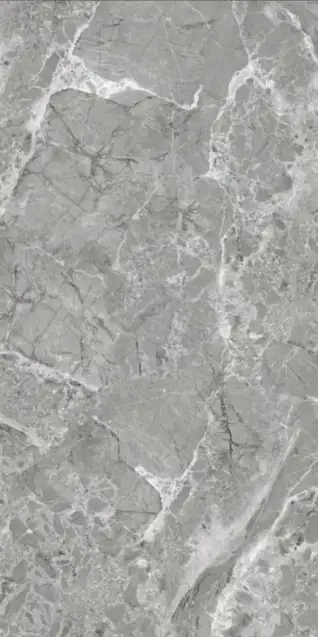
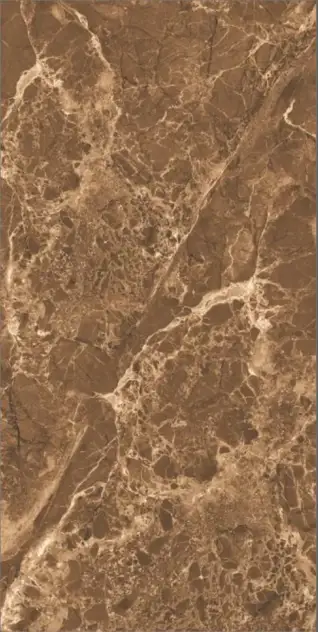
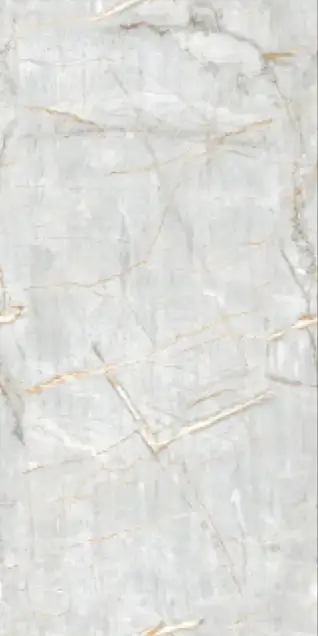



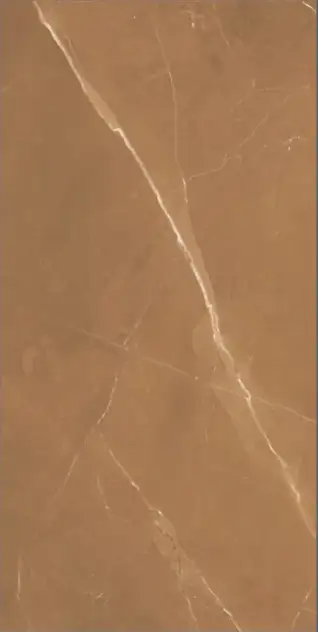
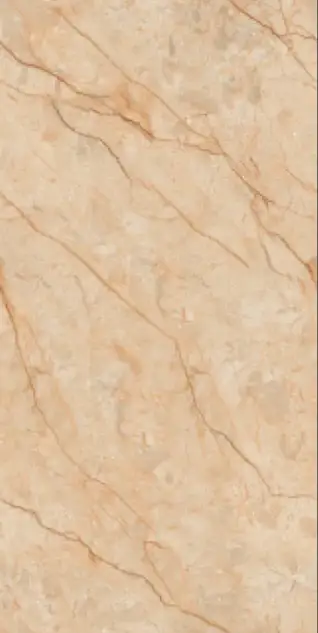

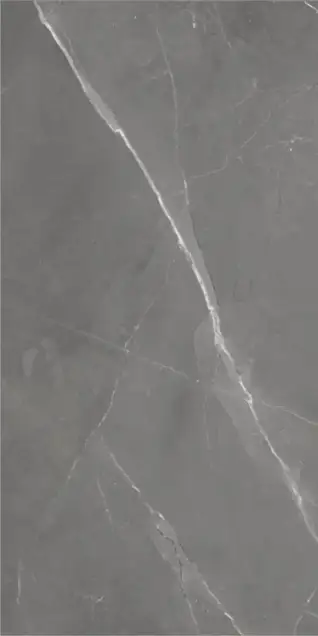
Skirting tiles in Bahraich are the 3 to 6 inch tile border installed at the base of all room walls, bridging the junction between the floor tile and the wall surface. In most Bahraich homes, skirting uses the floor tile material cut into strips or purpose-made factory-finished skirting tiles with bullnose rounded top edges. Skirting tiles serve three key functions: concealing the mandatory floor tile expansion gap, protecting the wall base from wet mopping damage, and hygienically sealing the floor-to-wall corner against dust accumulation. All three functions are particularly important in Bahraich's context, given its seasonal temperature range and the need for daily wet mopping. These tiles offer practical tile design ideas for homes.
Structural Function: Hiding the Expansion Gap in Bahraich Floors
During Bahraich's peak summer temperatures, building materials including floor tiles expand. Masons must leave a 3 to 5 mm gap between the edge of the last floor tile and the wall base during installation. If tiles are laid flush, summer expansion can cause them to buckle or pop off the floor. Skirting tiles completely cover this mandatory expansion gap, hiding the unattractive junction between the floor tile and the wall. Without skirting, this gap would be visible as an irregular space at the base of every wall. Skirting creates a clean, finished junction, concealing this structural necessity and also covering any natural unevenness in the plastered wall base. For exterior walls, elevation tiles offer similar protection and finish.
Daily Protection: Defending Bahraich Walls from Wet Mopping
Bahraich homes require daily wet mopping throughout the year, especially intensely during the dusty dry season from November to May. Standard wall putty and emulsion paint at the base of Bahraich walls are not designed for repeated daily water contact. Mop water repeatedly hitting the bottom of the wall causes the putty to soften, paint to bubble, and eventually the wall base to develop dampness that peels and flakes the finish. A 4-inch ceramic or vitrified tile skirting permanently solves this problem. The tile surface is waterproof and designed for daily wet cleaning. The mop hits the tile, not the wall. The wall above the skirting line stays dry and the paint finish at the base of Bahraich walls remains intact, lasting through the full painting cycle. For hardwearing outdoor paths, buyers in Bahraich also look at outdoor tiles.
Hygiene and Dust Management in Bahraich
The 90-degree corner at the base of walls in Bahraich homes is a primary dust accumulation point. Without skirting, fine Bahraich agricultural dust and household debris pack into the irregular junction between the rough plaster base and the floor tile edge. With smooth tile skirting, the corner is sealed and smooth. A broom or vacuum can clean to the corner without leaving a gap where dust hides. Flush skirting, where the tile is embedded into the wall so its face sits level with the wall surface, is a premium alternative gaining popularity in modern Bahraich duplexes near the bypass road. This eliminates the protruding ledge, preventing dust accumulation, and creates a more refined, contemporary visual effect. For low-maintenance options, matte finish tiles work well.
Skirting Tile Cost Options in Bahraich
The most cost-effective skirting approach in Bahraich involves cutting leftover floor tiles from the same project into 4-inch (100 mm) strips and installing them as skirting. The cost is primarily for the mason's cutting and installation labour, typically Rs. 8 to Rs. 15 per running foot in Bahraich. This option offers a perfect design match with the floor tile and minimal extra material cost. The disadvantage is a sharp, flat cut edge rather than a rounded one. Factory-finished bullnose skirting, with a rounded top edge, looks more refined and is safer. However, these ready-made skirting tiles are more expensive, typically 1.5 to 2 times the cost of cut-from-floor-tile skirting, and finding an exact design match with the floor tile is often difficult in Bahraich. For outdoor areas that need durability, parking tiles are a practical consideration.
Standard Skirting Heights in Bahraich
Three standard heights are available in Bahraich's tile market. The 3-inch (75 mm) skirting offers a minimal, subtle look for contemporary Bahraich interiors. 4-inch (100 mm) skirting is the standard Bahraich specification, providing adequate wall protection, covering the expansion gap, and having the right visual weight for standard ceiling heights. The 6-inch (150 mm) skirting is used rarely in Bahraich, typically for large rooms with high ceilings where a 4-inch skirting might appear too small. This taller skirting creates a strong architectural boundary statement. Selecting the right height depends on the room's proportions and desired aesthetic in Bahraich homes.
Skirting tiles in Bahraich are primarily vitrified or ceramic, commonly 4 inches (100 mm) high, and prices range from Rs. 8 to Rs. 35 per running foot. Vitrified options ensure low water absorption, making them durable for Bahraich's climate, while ceramic works well for less demanding wall bases. These tiles offer essential protection and finish.
Manufactured in Morbi, Gujarat, skirting tiles are crucial for Bahraich homes, protecting walls from monsoon dampness and daily wet mopping. They are widely used in independent houses and new apartments near Ghasiyari Mandi, offering a practical and clean finish that handles local conditions effectively.
Skirting Tiles Showroom and Dealer in bahraich
Preeti Traders
Contact: +91 +91 97618 12340
Tiles World - Aarna Infrabuild
Shree Khatu Shyam Enterprises LLP (Kajaria Tiles Dealer In BAHRAICH)
Contact: +91 +91 98387 27596