

Compare Vitrified vs Porcelain Tiles in Auraiya: Designs, Sizes and Dealer Rates
Loading designs...
-
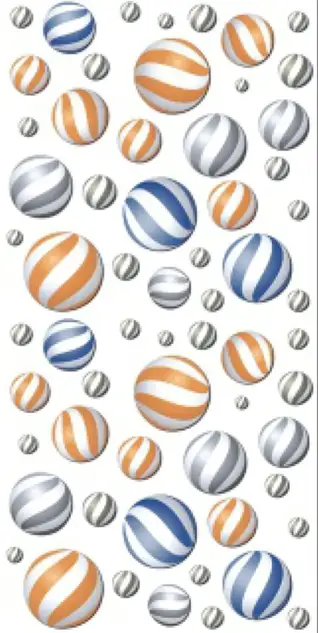 3D 001
 -
 3D 002
 -
3D 003
-
3D 004
-
3D 005
-
3D 006
-
3D 007
-
3D 008
-
3D 009
-
3D 010
-
Adison Grey
-
Adison chocco
-
Afyon Bianco
-
Adison Ivory
-
3D 011
-
Albert White
-
Armani chocco
-
Aldur Brown
-
3D 012
-
Armani Nero








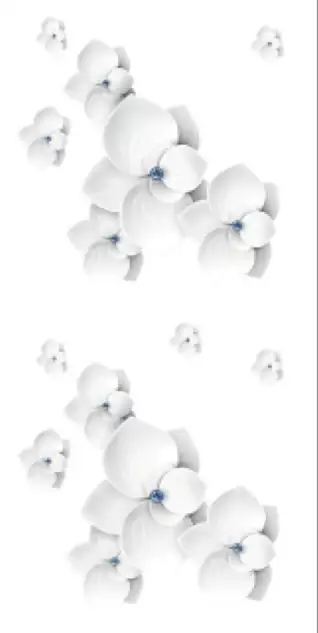
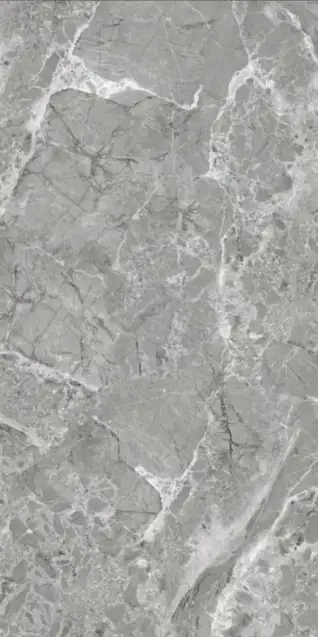
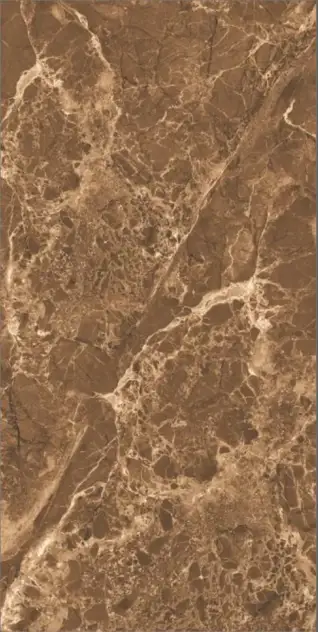
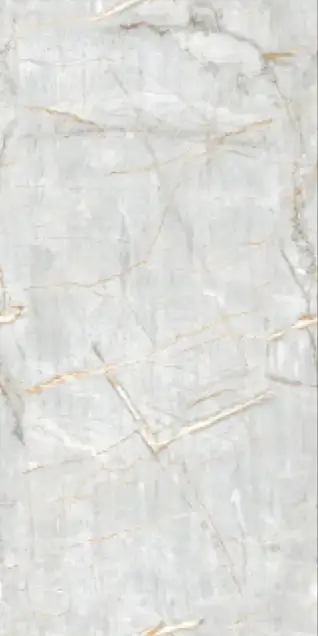



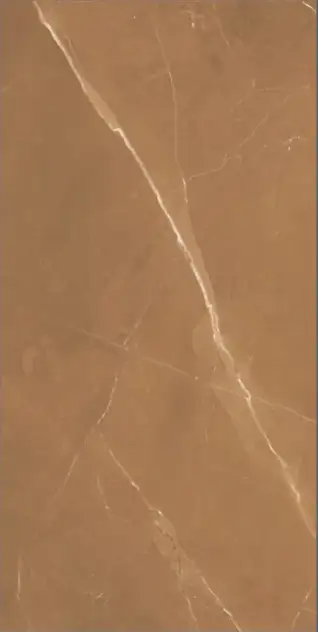


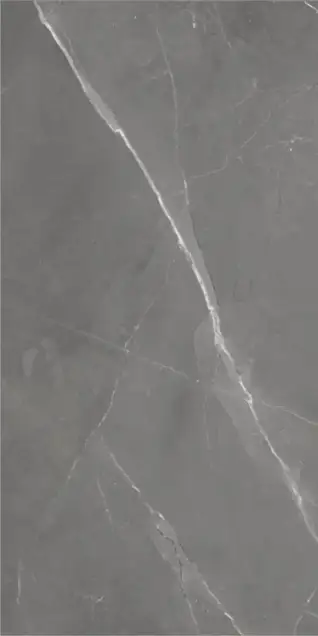
When selecting tiles for homes or commercial spaces in Auraiya, understanding the distinction between vitrified and porcelain tiles is important. While globally "porcelain" often implies a water absorption below 0.5%, the Indian market, driven by manufacturers in Morbi, Gujarat, uses these terms to denote different performance levels and densities. In Auraiya, where independent houses and government residential colonies are common, buyers need to know the true technical benchmarks to make informed choices. This page clarifies the differences in water absorption, practical usage, and sizes, helping Auraiya residents choose wisely for their specific needs, especially given the region's semi-arid climate.
Global Terminology vs Indian Market Terminology in Auraiya
Globally, any tile with a water absorption rate below 0.5% is typically classified as porcelain, with "vitrified" referring to the manufacturing process that gives the tile a glass-like, non-porous structure. However, in Auraiya, influenced by the Morbi tile industry, these terms are often used to differentiate product categories by performance. Indian market porcelain usually has 2% to 5% water absorption, making it a medium-density option. Vitrified tiles, on the other hand, consistently exhibit water absorption at 0.5% or below, indicating higher density and suitability for more demanding applications in Auraiya homes and offices. Buyers look for clarity when exploring tile design ideas for their properties.
Water Absorption: The Real Technical Benchmark for Auraiya
For buyers in Auraiya, the water absorption percentage serves as the most critical technical difference between tile types. Indian market porcelain tiles typically show 2% to 5% water absorption, fitting for low-traffic zones like bedrooms. Vitrified tiles, with their water absorption at 0.5% or below, are considered high-density and are a robust choice for living rooms, kitchens, and commercial floors across Auraiya. For areas with very heavy foot traffic or specific industrial use, Full Body Vitrified tiles, boasting an ultra-low absorption of 0.05% or below, offer maximum density and endurance. This makes them a strong contender for public spaces and large commercial complexes in the city.
Size-Based Market Reality in Auraiya
Tile sizes in Auraiya’s market often dictate whether a product is likely to be Indian market porcelain or vitrified. Smaller formats like 400x400 mm and 500x500 mm are predominantly porcelain (in the Indian context), offering budget-friendly options for many residents. The 600x600 mm (or 2x2) size is where terminology confusion peaks, as it's available in both categories. For larger formats such as 600x1200 mm (or 2x4) and anything bigger, especially those with polished glossy finishes or full-body construction, the tiles consistently meet vitrified-level specifications. Auraiya buyers often look for larger sizes for their living room tiles to achieve a grander look.
Performance and Practical Usage in Auraiya
Choosing between vitrified and Indian market porcelain tiles in Auraiya depends heavily on the intended application and expected traffic. For residential spaces, such as bedrooms, Indian market porcelain tiles usually suffice due to their lower density and medium absorption. However, for high-traffic areas like kitchens and living rooms, or any commercial establishment in Auraiya, vitrified tiles are the preferred choice because of their superior density and low water absorption. For outdoor or wet areas, it is crucial to avoid Polished Glazed Vitrified (PGVT) tiles, as their glossy finish makes them slippery. Many are also upgrading older marble look tiles with these new options.
What Auraiya Buyers Should Ask Instead of "Vitrified or Porcelain?"
To avoid confusion, buyers at tile dealer clusters near the Main Bus Stand or along the bypass road in Auraiya should not simply ask for "vitrified" or "porcelain." Instead, they must specifically inquire about the tile's water absorption percentage. A practical field test involves spraying water on the unglazed back of the tile: if the water is quickly absorbed, it indicates higher absorption (likely Indian market porcelain range); if the water beads and sits on the surface, it signifies lower absorption, characteristic of vitrified-level tiles. This ensures buyers in Auraiya get the precise tile performance needed for their specific projects, including kitchen tiles.
| Tile Type (Indian Context) | Water Absorption (Avg.) | Use Area in Auraiya | Indicative Price (Rs./sq.ft) |
|---|---|---|---|
| Indian Market Porcelain | 2% - 5% | Bedrooms, low traffic | Rs.50 - Rs.65 |
| Vitrified Tiles | < 0.5% | Living Rooms, Commercial | Rs.75 - Rs.110 |
| Full Body Vitrified | < 0.05% | Heavy Commercial, Outdoor | Rs.105 - Rs.150 |
When choosing tiles in Auraiya, vitrified options (below 0.5% water absorption) are excellent for high-traffic zones like living rooms, with sizes often found in 2x2 or 2x4. Prices for vitrified tiles in Auraiya range from Rs.75 to Rs.110 per sq.ft, offering a blend of durability and finish, adhering to quality standards like IS 15622:2006. Full body vitrified tiles offer even lower absorption at 0.05% and higher prices for demanding use, outperforming older Kota stone replacements common in the region. Buyers should check the tile body type to ensure suitability for the application.
For residents in Auraiya, tiles sourced from Morbi, Gujarat, are widely available and come with various finishes suitable for the region's semi-arid climate. Matte and sugar finishes are popular for their moderate humidity resistance and reduced heat absorption, especially important during hot summers. For areas prone to monsoon moisture, an anti-skid finish is a wise choice. Many buyers in Auraiya are replacing old mosaic or cement tiles in older buildings with new vitrified options, seeking better performance and aesthetics for their bathroom tiles and other spaces.
Vitrified vs Porcelain Tiles Showroom and Dealer in auraiya
Shri Bihari Ji Marble (Kajaria Eternity World)
Contact: +91 90454 51419
Kajaria Tiles Authorised Showroom - Srishti Traders
Contact: +91 81718 27415
-9f831d48-b3bd-4701-a2a1-136f1cbd1251.jpg)