

Vitrified vs Porcelain Tiles in Amroha: Market Reality, Technical Difference and Buying Guide
Loading designs...
-
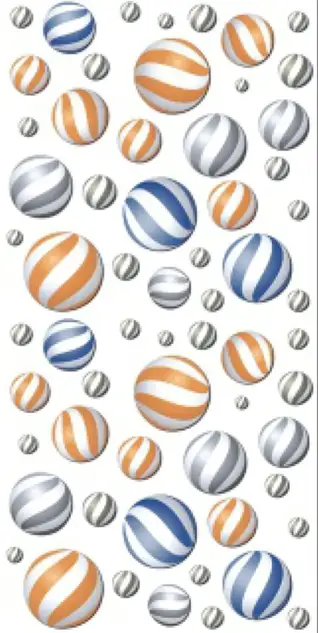 3D 001
 -
 3D 002
 -
3D 003
-
3D 004
-
3D 005
-
3D 006
-
3D 007
-
3D 008
-
3D 009
-
3D 010
-
Adison Grey
-
Adison chocco
-
Afyon Bianco
-
Adison Ivory
-
3D 011
-
Albert White
-
Armani chocco
-
Aldur Brown
-
3D 012
-
Armani Nero







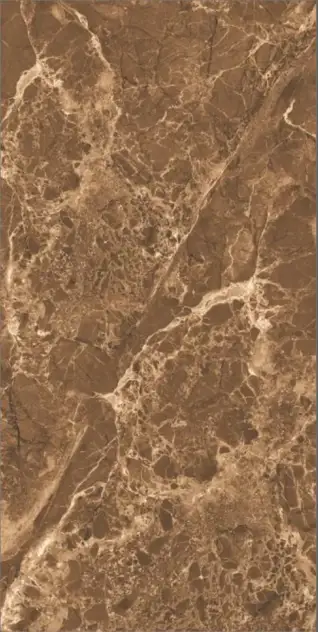
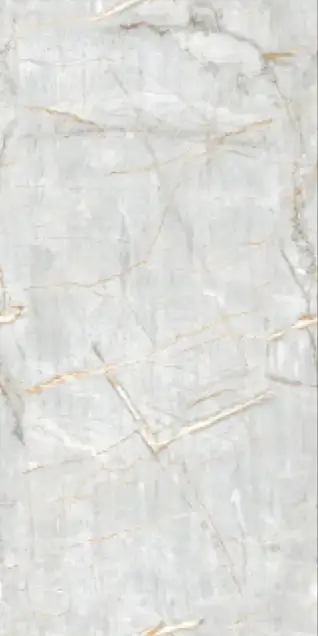



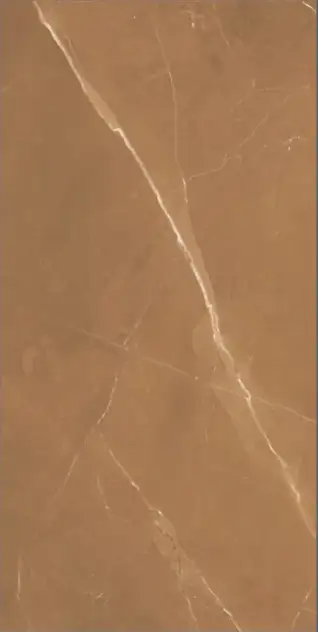
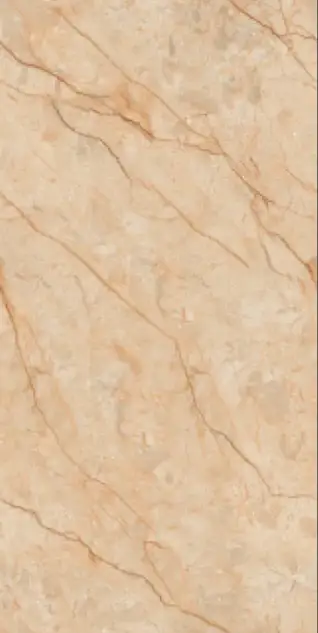

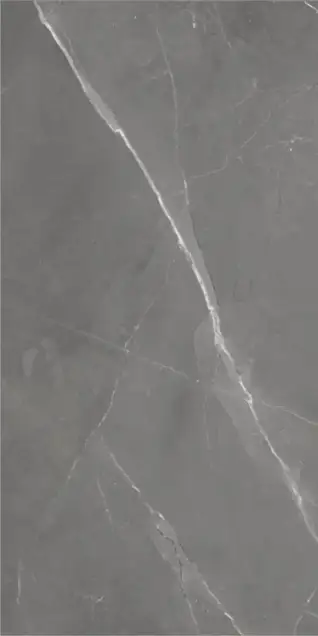
The distinction between "vitrified" and "porcelain" tiles in Amroha's market often causes confusion, as terminology differs globally versus in India. Internationally, "porcelain" refers to any tile with water absorption below 0.5%, while "vitrified" describes the process to achieve this. In India, particularly from Morbi, Gujarat, "porcelain" often denotes a medium-density tile (2-5% water absorption), and "vitrified" implies a higher-density, lower-absorption (below 0.5%) product. For Amroha buyers in independent houses or residential buildings, understanding the water absorption percentage is the most reliable technical benchmark. This guides purchasing decisions for durability in Amroha's hot summers and monsoon conditions. Buyers in Amroha also look at tile design ideas to find styles that work with this colour palette.
Global Terminology vs Indian Market Terminology
Globally, tiles with water absorption below 0.5% are porcelain. The term "vitrified" simply refers to the high-temperature firing process that makes clay dense and glass-like, achieving this low absorption. In international markets, there is no separate retail category named "vitrified"; all dense, low-absorption tiles are porcelain. However, in India's domestic market, Morbi manufacturers often label products differently: "Porcelain" (2-5% water absorption, medium density) and "Vitrified" (below 0.5% absorption, higher density). This marketing-driven convention can confuse Amroha buyers. Vitrified options are generally preferred for premium areas like living room tiles in Amroha.
Water Absorption: The Real Technical Benchmark
For Amroha buyers, the water absorption percentage is the most reliable technical parameter for evaluating tile suitability and durability. Lower absorption correlates directly with higher density, which translates to better strength, scratch resistance, stain resistance, and long-term durability. Indian market porcelain tiles (2-5% absorption) are suitable for bedrooms and low-traffic indoor areas. Indian market vitrified tiles (0.5% or below absorption) are for living rooms, kitchens, and commercial floors, offering superior performance. Full-body vitrified (0.05% or below) suits heavy commercial use. For areas like kitchen tiles in Amroha, low water absorption is crucial for stain resistance and hygiene.
Size-Based Market Reality in Amroha
Tile size often correlates with its vitrified or porcelain classification in Amroha. Tiles in 400x400 mm and 500x500 mm are mostly produced as Indian market porcelain (2-5% water absorption), offering budget-friendly options for bedrooms or rental properties. While 600x600 mm tiles are available in both categories, polished glossy and double-charge 600x600 mm are typically vitrified. Larger formats, such as 600x1200 mm and above, are consistently vitrified-level specification in Amroha, requiring higher structural integrity. For outdoor tiles in Amroha, low water absorption is crucial for weather resistance.
Performance and Practical Usage in Amroha
In Amroha, selecting between vitrified and porcelain depends on the intended use. For residential spaces like bedrooms, Indian market porcelain tiles are cost-effective and sufficient. However, for kitchens, living rooms, and especially outdoor areas, vitrified specification (below 0.5% absorption) is preferred for its superior stain resistance and durability. For commercial and heavy-traffic uses in Amroha, such as shops, offices, corridors, and parking areas, always specify vitrified-level tiles. These offer better load-bearing capacity, scratch resistance, and long-term surface durability, enduring the grit and heavy foot traffic of commercial Amroha environments. This is particularly important for parking tiles.
What Amroha Buyers Should Ask Instead of "Vitrified or Porcelain?"
To avoid confusion in Amroha's tile market, buyers should ask: "What is the water absorption percentage of this tile?" This single question clarifies suitability for the application, expected durability, and whether the price matches the performance level. A practical verification test involves spraying water on the unglazed back of the tile. If water soaks in quickly, it indicates higher absorption (Indian market porcelain range). If water beads on the surface without absorbing, it confirms vitrified-level specification. This direct approach empowers Amroha buyers to make informed decisions for their projects.
For Amroha buyers, vitrified tiles (below 0.5% water absorption) are recommended for living rooms and kitchens, available in sizes like 600x600 mm and 600x1200 mm, with prices from Rs. 48 to Rs. 125 per sq.ft. Indian market porcelain tiles (2-5% absorption) are more cost-effective for bedrooms, typically in 400x400 mm and 500x500 mm sizes, ranging from Rs. 35 to Rs. 65 per sq.ft. These choices balance performance and budget for Amroha homes.
Sourced from Morbi, Gujarat, both vitrified and porcelain tiles in Amroha are designed for specific applications, taking into account the city's hot summers and monsoon season. Low water absorption is crucial for outdoor durability and resistance to Amroha's hard water. Upgrading from older, less durable flooring in independent houses in Amroha often involves choosing vitrified options for their longevity and resilience, adhering to IS 15622:2006 for vitrified tiles.
Vitrified vs Porcelain Tiles Showroom and Dealer in amroha
Somany Ceramics - Hindustan Tiles
Contact: +91 +91 8071 820 359
Gurudev Traders
Contact: +91 +91 99276 05411
Bharat Tiles & Sanitary Store
Contact: +91 +91 93681 61398
-9f831d48-b3bd-4701-a2a1-136f1cbd1251.jpg)